


The right generator enclosure depends on two factors: your site’s exposure to the elements and your noise tolerance requirements. A weatherproof enclosure protects against rain, humidity, and UV damage. A sound attenuated enclosure does all of that plus dramatically reduces operating noise. Most commercial and residential outdoor installations need at least weatherproof protection; noise-sensitive sites — hospitals, hotels, residential neighborhoods — need sound attenuation.
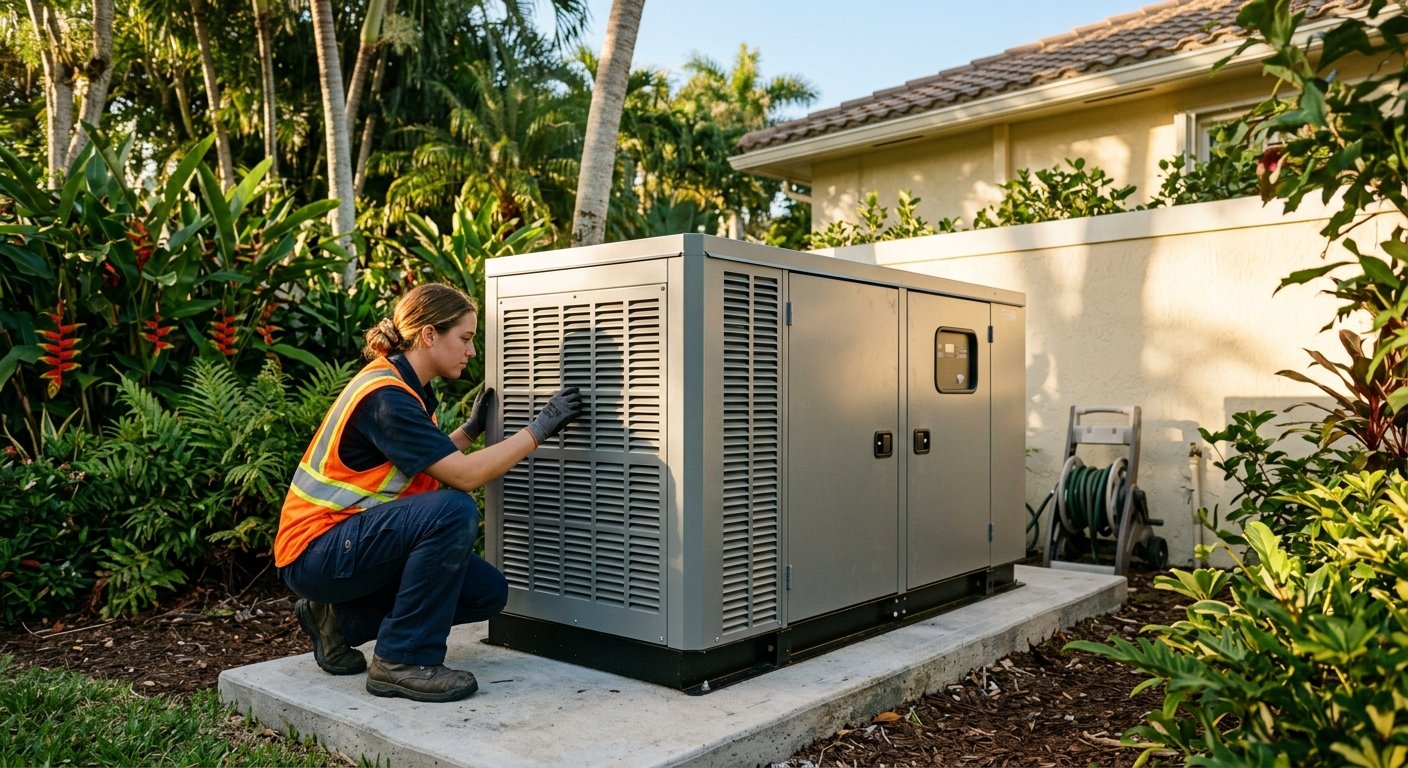
A generator enclosure is not just a metal box. It’s a system that manages airflow, heat rejection, water intrusion, UV degradation, and — in the case of sound attenuated units — acoustic energy. Get any one of those wrong and you’re looking at premature failures in the alternator windings, control boards, or cooling systems.
For South Florida installations, this is especially relevant. Salt air, hurricane-force winds, and near-constant humidity create conditions that will destroy an improperly housed generator in a few seasons. The same principles apply anywhere the generator will sit outdoors year-round — which is essentially every standby installation.
Many technicians focus entirely on the generator’s electrical specs and treat the enclosure as an afterthought. In practice, the housing decision affects maintenance access, runtime in bad weather, regulatory compliance, and long-term reliability just as much as the engine or alternator choice.
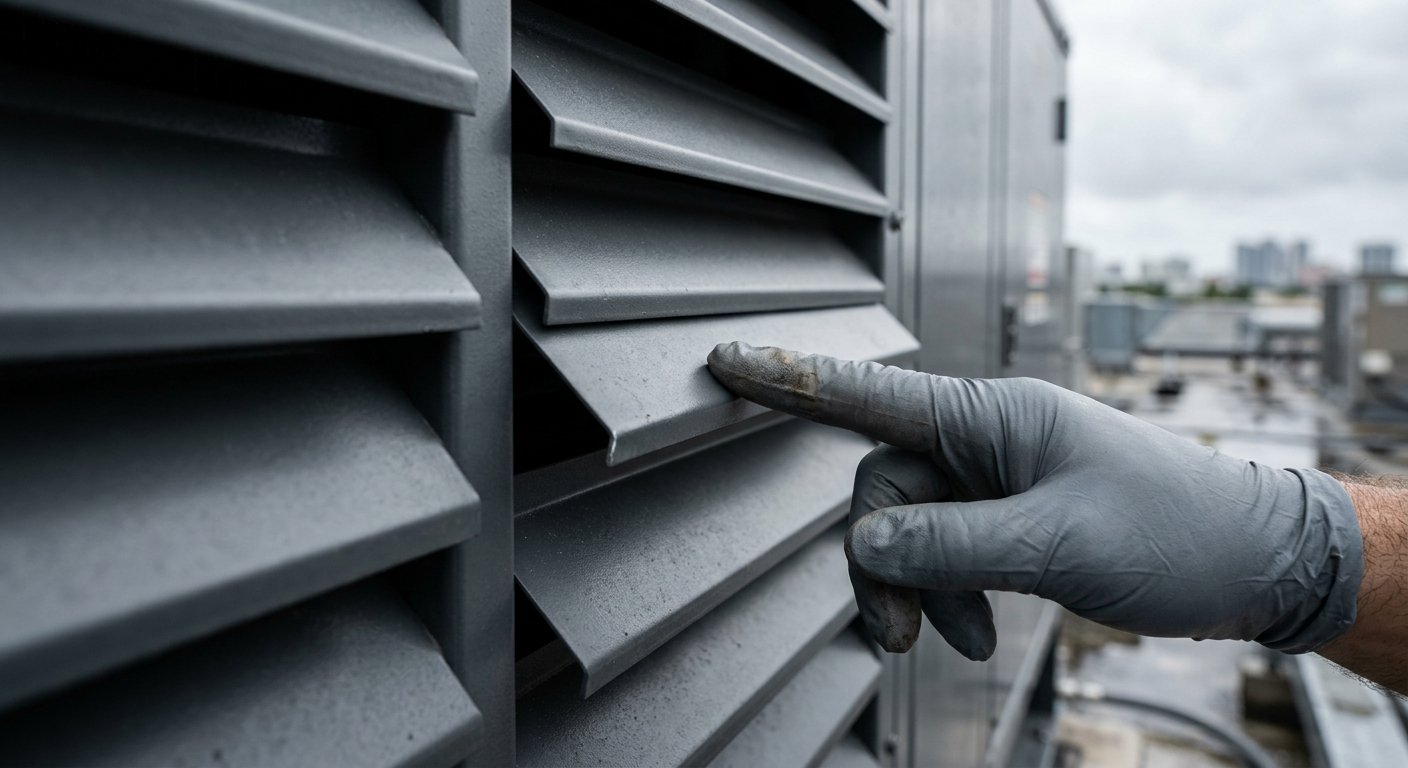
A weatherproof generator enclosure — sometimes called a weather protective or WP housing — is designed to keep rain, wind-driven debris, and direct sunlight off the generator components. These are typically constructed from heavy-gauge steel or aluminum, powder-coated for corrosion resistance, with louvered ventilation panels that direct airflow while blocking water ingress.
For outdoor generator installation, the enclosure should meet NEMA 3R ratings at minimum. According to NEMA’s enclosure type guidelines, a Type 3R enclosure protects against falling rain and sleet, and is designed to remain undamaged by the formation of ice. That’s a reasonable floor for a standby unit in most US climates.
In coastal or hurricane-prone regions, look for enclosures rated to higher wind loads — ASCE 7-22 sets wind speed design criteria used in building and equipment installations. Some generator housings are engineered to specific wind uplift ratings that align with local building codes.
Weatherproof enclosures make sense for agricultural sites, construction applications, and industrial facilities where ambient noise is already high and zoning doesn’t restrict generator sound levels.
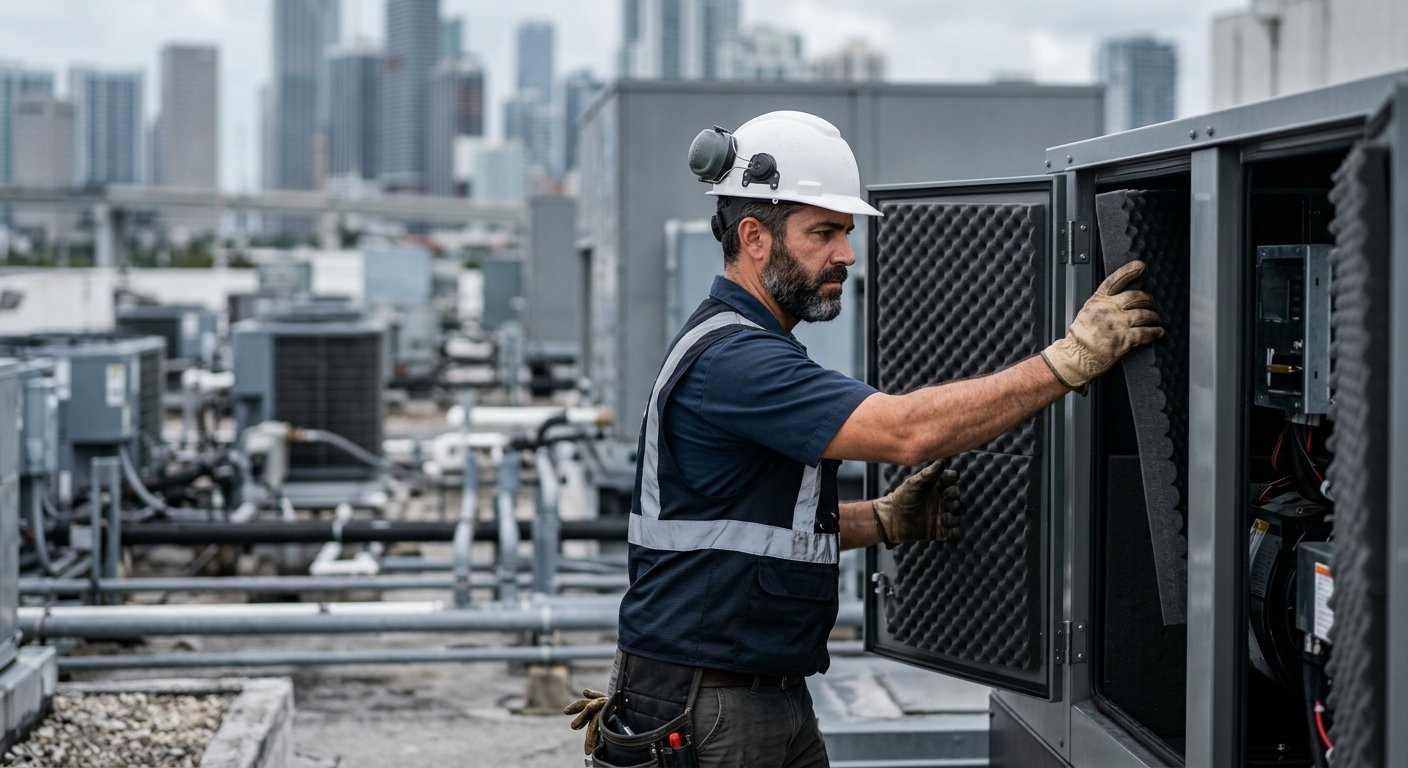
A sound attenuated generator enclosure layers acoustic insulation — typically composite panels with mass-loaded vinyl, acoustic foam, or mineral wool — inside a structural outer shell. The goal is to reduce radiated noise to a level that satisfies local ordinances and doesn’t disrupt neighbors or nearby building occupants.
Sound attenuation enclosures use several strategies simultaneously: acoustic panel lining to absorb mid and high frequencies, baffled inlet and outlet air paths to block direct noise transmission, anti-vibration mounts between the genset and the skid, and exhaust silencers that reduce combustion noise at the source. Well-engineered units can bring the operating noise down to the 65–72 dB range at 7 meters — a significant reduction that often satisfies residential zoning limits.
A sound attenuated enclosure doesn’t just protect the generator — it protects your relationship with the zoning board and everyone within earshot.
A sound attenuated housing reduces airflow compared to a weatherproof unit. If the enclosure is undersized for the generator’s heat rejection load, the engine will run hot and derate — or trip on high coolant temperature. Always verify that the enclosure’s airflow rating matches the genset’s cooling requirements at full load.
| Criterion | Weatherproof Enclosure | Sound Attenuated Enclosure |
|---|---|---|
| Environmental protection | Rain, wind, UV, debris | Rain, wind, UV, debris |
| Noise reduction | Minimal (structural shell only) | Significant (acoustic panels + baffles) |
| Airflow management | Simpler louvered design | Engineered baffled inlet/outlet |
| Weight and footprint | Lighter, more compact | Heavier, larger footprint |
| Typical application | Industrial, agricultural, remote sites | Commercial, residential, healthcare, urban |
| Code compliance risk | May not meet noise ordinances | Designed to meet residential/commercial limits |
| Maintenance access | Varies by build quality | Well-designed units prioritize service panels |
Before specifying an enclosure, contact your local planning or building department and pull any applicable noise ordinances. Many Florida counties have specific dB limits for mechanical equipment at property lines. The EPA’s noise pollution guidance provides a federal-level framework, but local rules govern the actual install.
The enclosure’s ventilation must handle the generator’s full heat rejection load. Confirm airflow CFM requirements with the engine manufacturer data sheet before ordering a housing. A 100 kW diesel unit needs substantially more airflow than a 20 kW standby unit — this isn’t a one-size-fits-all decision.
Coastal installations near Miami, the Gulf Coast, or marine applications need corrosion-resistant materials and coatings. Inland industrial sites may prioritize accessibility and durability over aesthetics. Match the housing material and finish to where the generator will actually live.
An enclosure that makes filter changes, oil checks, and battery access difficult will result in deferred maintenance — and deferred maintenance is how generators fail when you need them most. Walk through every service task mentally before signing off on an enclosure layout.
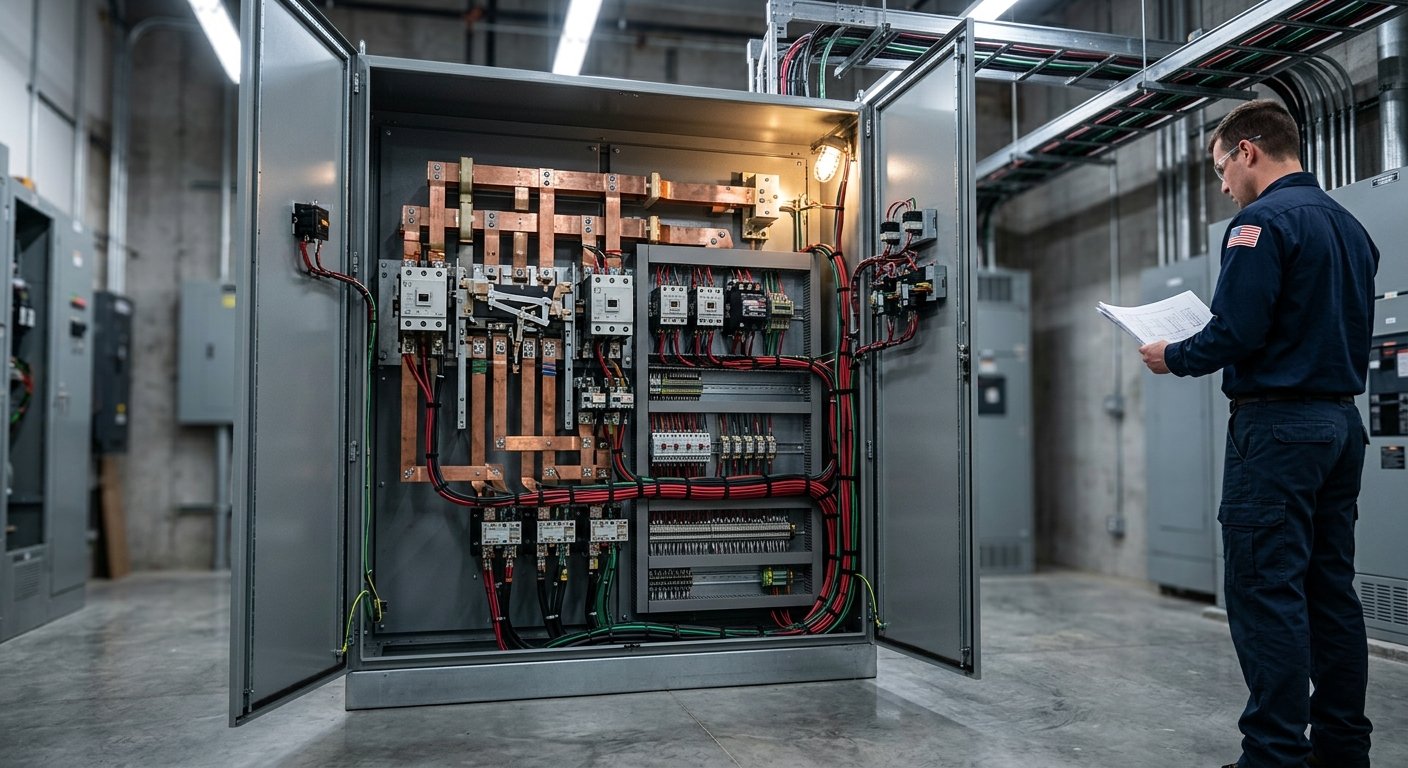
The enclosure placement affects conduit routing to your transfer switch and to control wiring for remote monitoring or automatic voltage regulation. Plan conduit entry points before the pad is poured, not after.
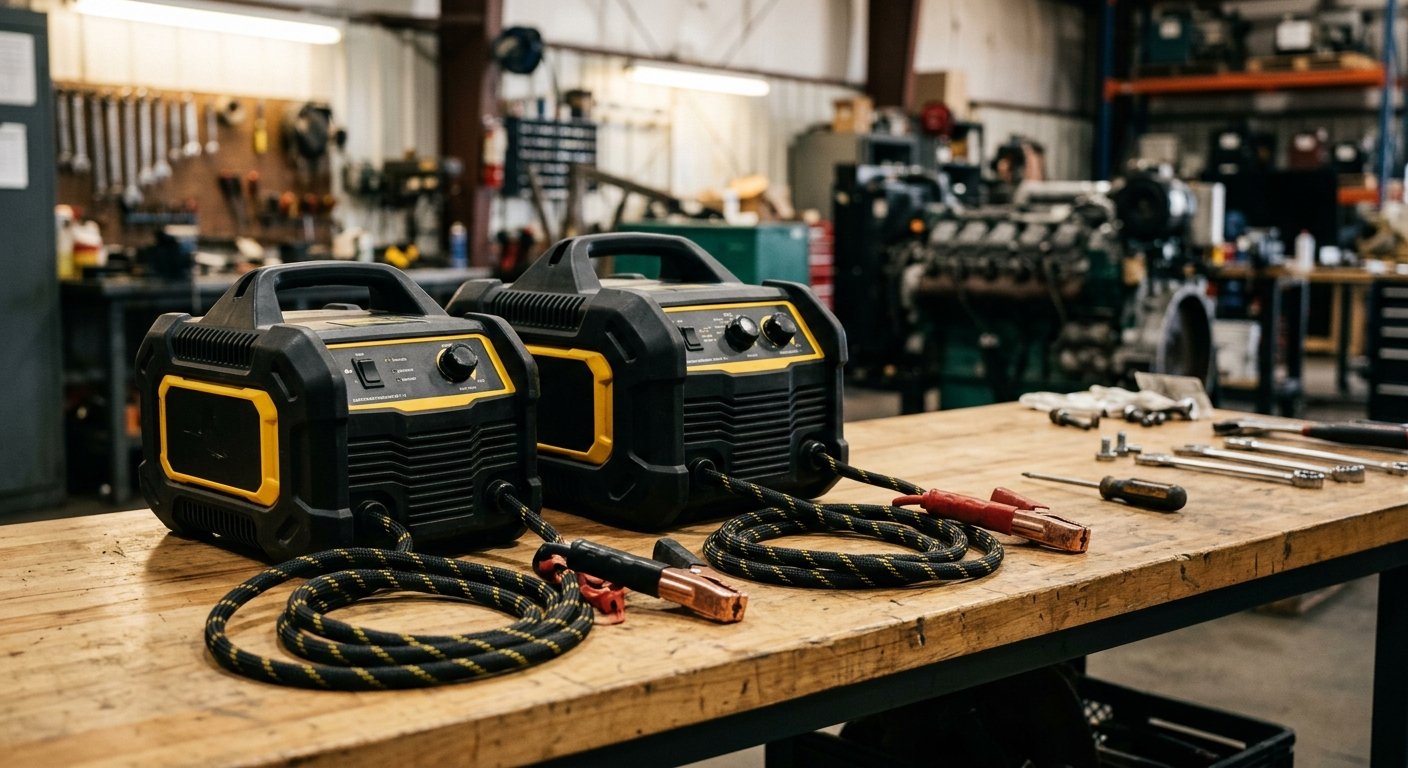
As a manufacturer-direct parts supplier, MTS Power Products works with generator technicians, facility managers, and electricians across the US who are making exactly these kinds of decisions — often under deadline, and often trying to match a replacement component to a unit that’s already in the field. Our Miami-based team has hands-on familiarity with the coastal environment demands that South Florida imposes on outdoor equipment, and we carry the generator parts that keep these systems running after the enclosure is set.
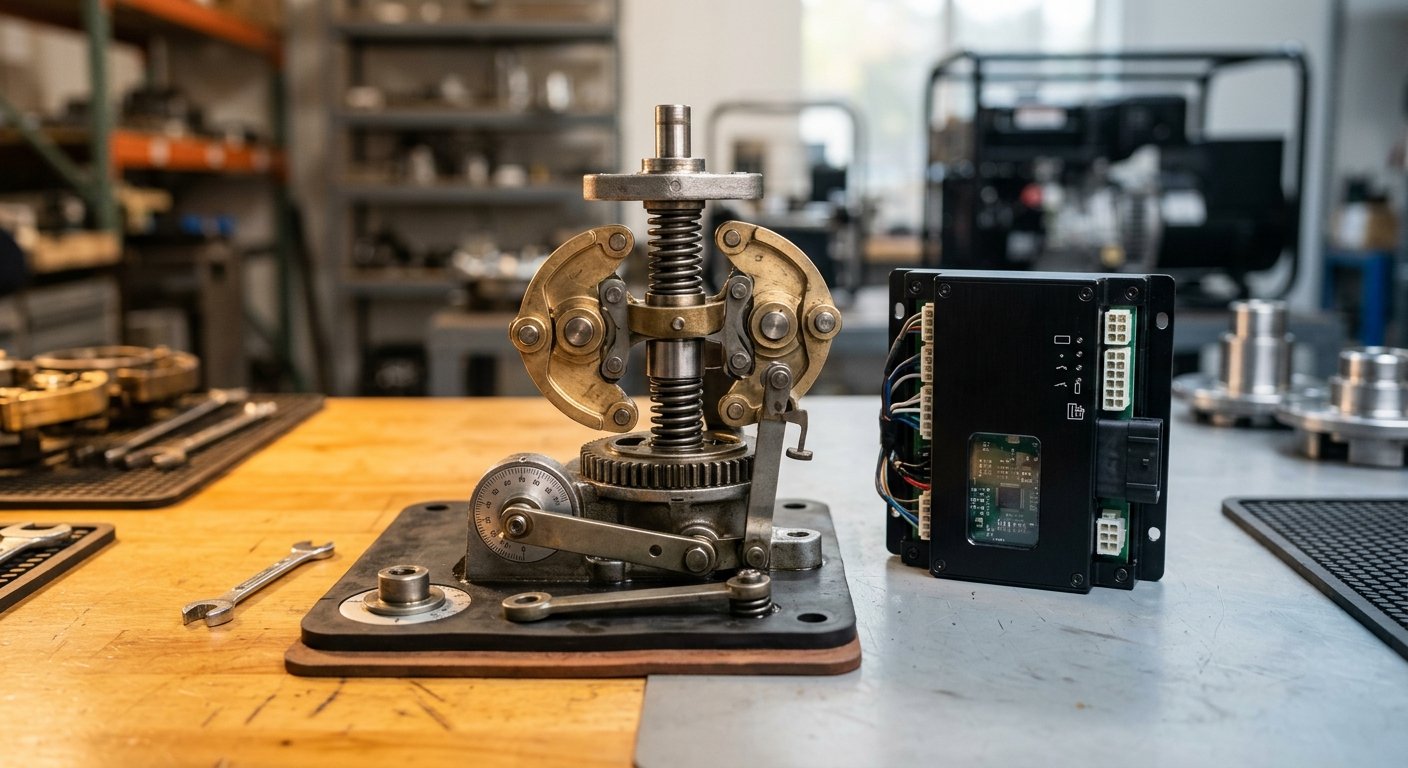
For AVR-related questions that come up during commissioning of a newly housed unit, our AVR and automatic voltage regulator inventory is available with the kind of technical support that big-box distributors simply don’t offer. If you’re sourcing parts for a specific genset model, call the team directly — that conversation is faster than a product search and gets you the right part the first time.
In South Florida, inspect your enclosure seals, louver hardware, and mounting anchor bolts before June 1 every year. A sound attenuated housing that’s shifted on its pad or has compromised door gaskets will allow water intrusion during a hurricane that a properly maintained unit would have shed entirely. Per FEMA building science guidance, equipment anchoring and weatherproofing are the first line of defense against storm-related generator failures.
A weatherproof enclosure protects the generator from rain, wind, UV, and debris but provides minimal noise reduction. A sound attenuated enclosure includes all the same environmental protection plus acoustic insulation panels, baffled air paths, and anti-vibration mounting to significantly reduce operating noise — typically to levels that meet residential or commercial zoning ordinances.
In most residential neighborhoods, especially in urban and suburban settings, a sound attenuated housing is the right choice. Local noise ordinances often set limits at the property line that a bare or weatherproof-only housing cannot meet. Check with your local building or planning department before installation to confirm the applicable dB limits.
Yes. This is a common failure mode when an enclosure’s ventilation system is undersized for the generator’s heat rejection at full load. Sound attenuated enclosures are especially prone to this if the acoustic baffles restrict airflow too much. Always verify the enclosure’s CFM rating matches the engine manufacturer’s specifications.
For coastal environments with salt air and high humidity — common across South Florida — look for powder-coated heavy-gauge steel with marine-grade primers, or aluminum construction. Stainless steel hardware at mounting points and door hinges is also important. Standard carbon steel without adequate coating will rust quickly in these conditions.
Indirectly, yes. An enclosure that traps heat or allows moisture ingress will degrade control board components, including the AVR, over time. Proper ventilation and sealed conduit entries protect these sensitive electronics. If you’re experiencing AVR faults after an enclosure change, heat and moisture exposure are worth ruling out before replacing the component.
Whether you’re specifying an enclosure for a new outdoor generator installation or sourcing replacement parts for an existing setup, MTS Power Products gives you manufacturer-direct expertise and personalized support — not a call center script.
MTS Power Products is a Miami-based, manufacturer-direct supplier of generator parts — including AVRs, transfer switches, battery chargers, and governors — serving commercial, marine, and residential backup power needs nationwide. They combine deep technical expertise with personalized service, helping generator technicians, electricians, facility managers, marine operators, and homeowners select the right parts and keep their backup power systems running reliably. Their direct-from-manufacturer model delivers fair pricing and knowledgeable support that big-box distributors cannot match. Visit mtspowerproducts.com →