


A well-maintained backup generator is ready to start within seconds and run for days. Neglect it, and it will let you down at the worst possible moment — mid-storm, mid-outage, mid-night. This checklist covers the essential maintenance tasks every homeowner and technician should perform monthly, quarterly, and annually to keep a standby or portable generator reliable year-round.
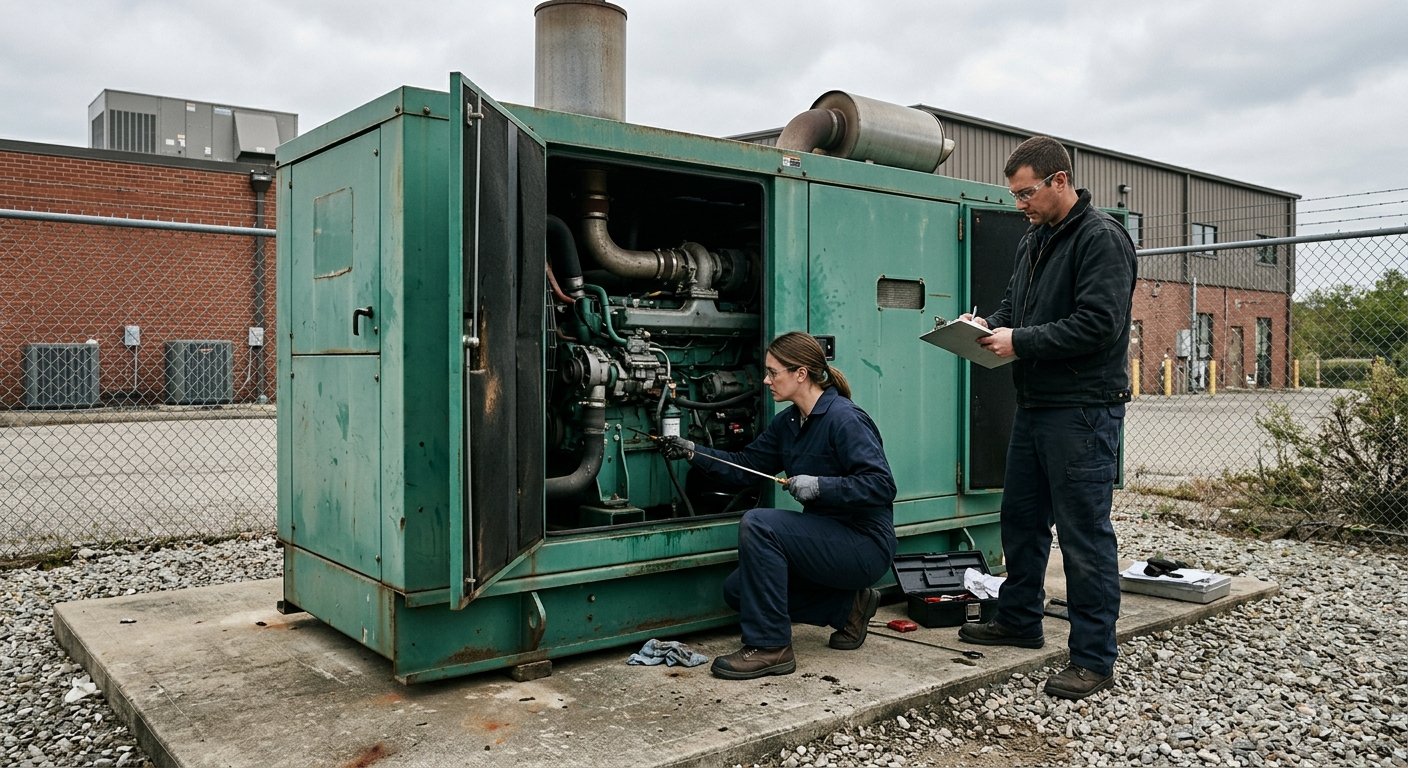
Generators sit idle for weeks or months, then get called on to deliver full rated output the moment the grid fails. That on-demand workload is brutal on fuel systems, lubricants, and electrical components that degrade with time even when unused. According to the NFPA 110 Standard for Emergency and Standby Power Systems, standby power equipment must be tested under load at regular intervals to verify that it will perform when called upon. Ignoring that guidance is how hospitals, data centers, and homes get caught with a generator that cranks but won’t carry load.
For South Florida homeowners, the stakes are especially clear. A hurricane generator that hasn’t been exercised since last season is a liability, not an asset. The checklist below is built for real-world use — technicians and capable homeowners alike can work through it systematically.
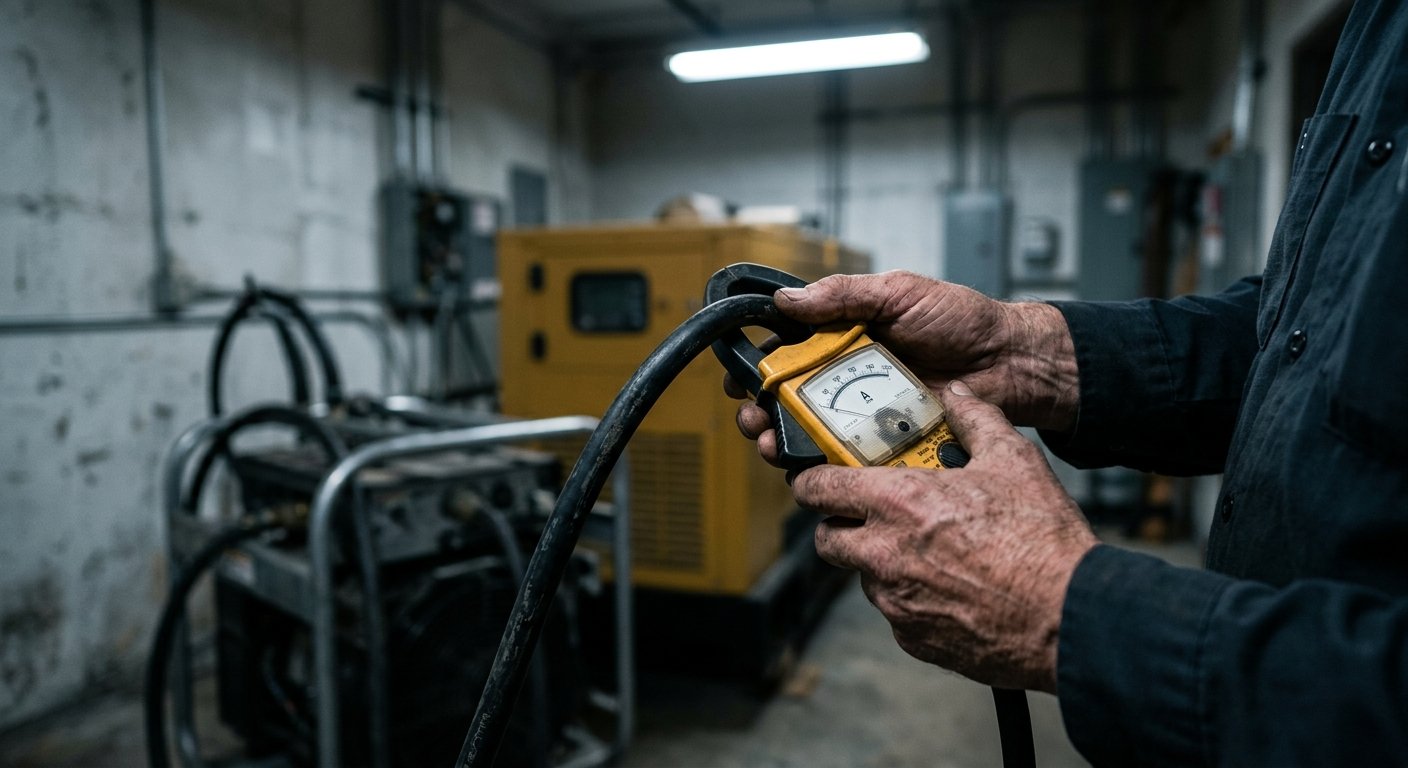
Monthly maintenance takes less than thirty minutes. Its purpose is to circulate fresh oil, charge the battery, and give you eyes on the machine while it’s running under controlled conditions.
Log every exercise run — date, run time, oil level, voltage readings. A written record is the fastest way to spot a developing trend before it becomes a breakdown. It also documents compliance if your facility is subject to NFPA 110 inspection.
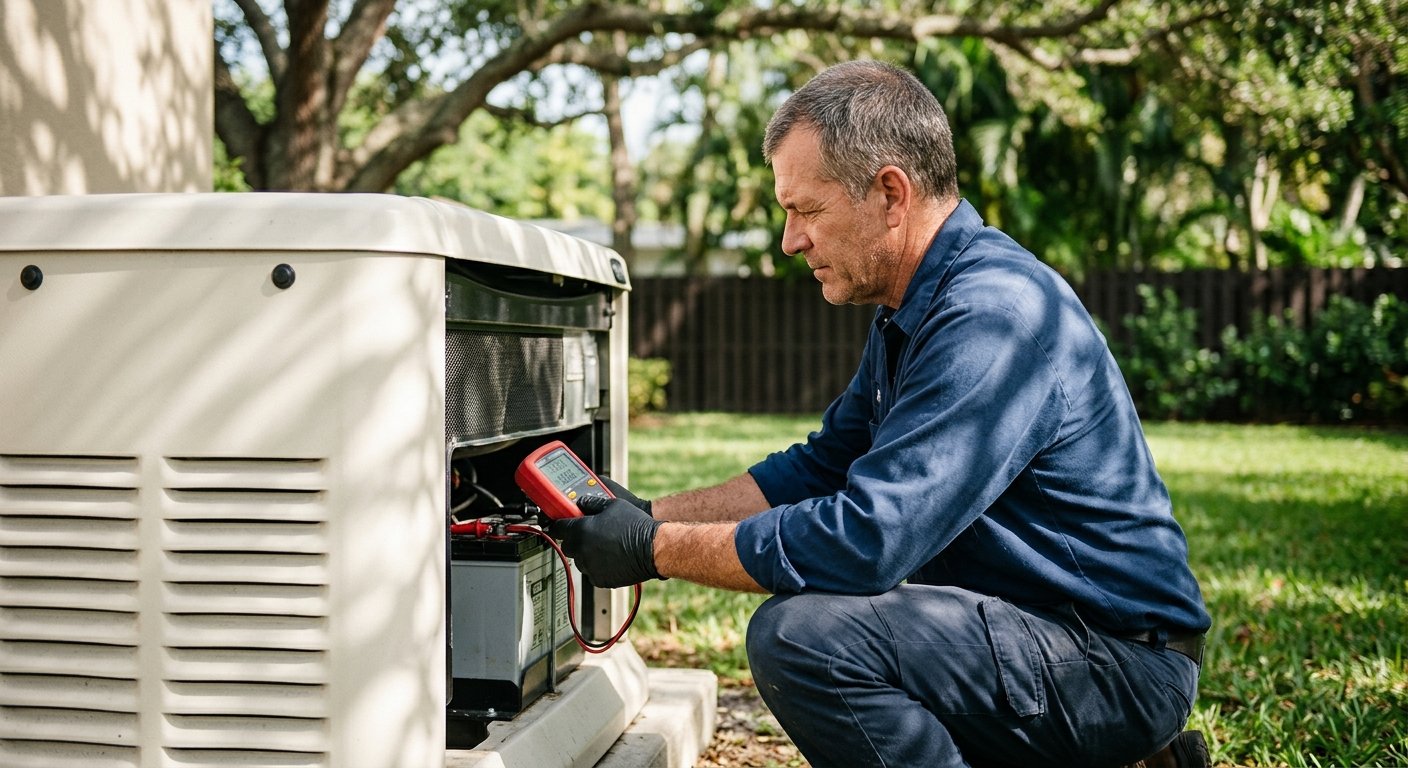
Every 90 days, go deeper. Many failures that appear sudden actually develop slowly over one or two quarters — and a quarterly inspection catches them before they escalate.
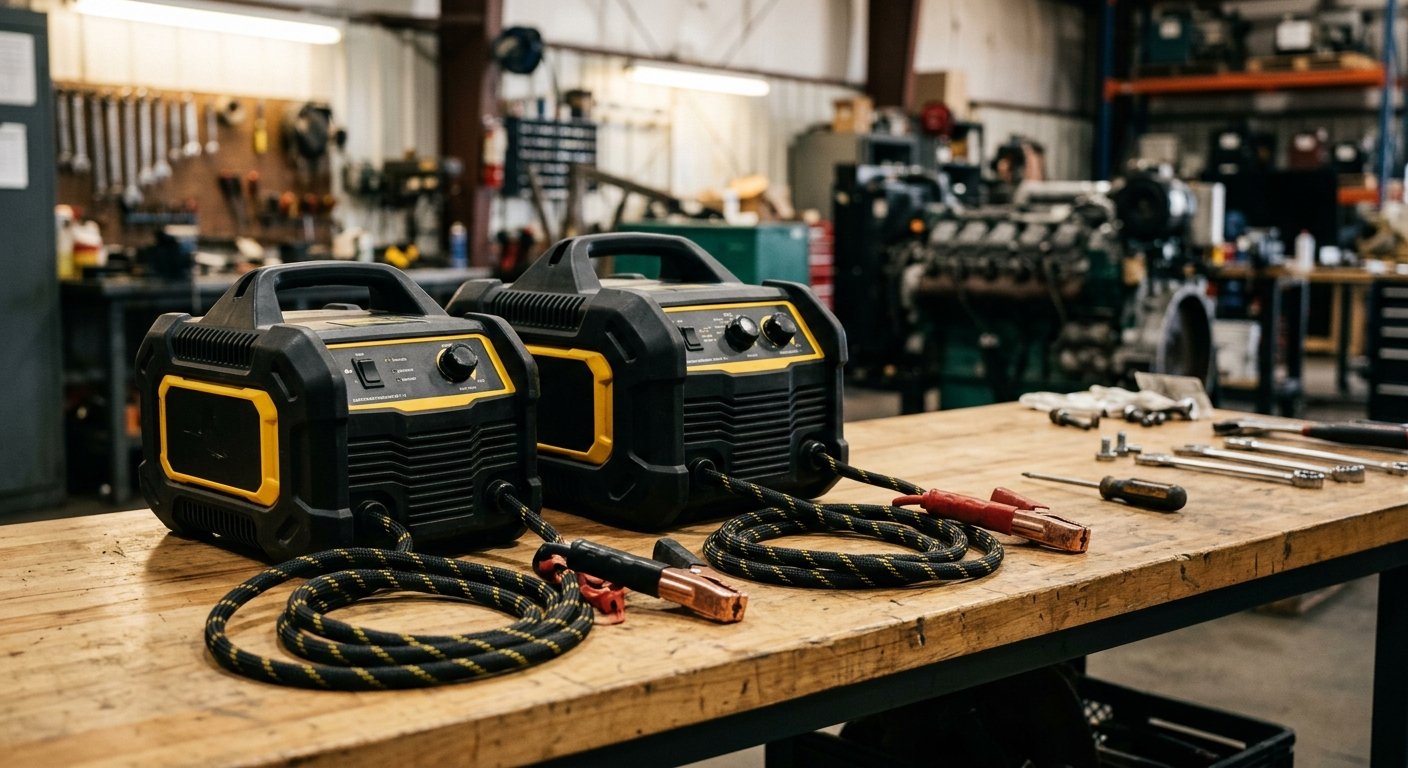
Battery failure is the single most common reason a generator won’t start. Most standby generator batteries are lead-acid and degrade with every charge cycle and every hot Florida summer. Check terminal voltage at rest (should read 12.6V or higher for a 12V battery), check for corrosion on terminals, and load-test the battery if it’s more than two years old. If the generator has an onboard battery charger, verify that it’s holding a float charge — a charger that’s failed can let a battery self-discharge to the point of no-start without any visible warning. If your charger needs replacement, MTS Power Products carries a range of generator parts including battery chargers suited to common standby applications.
Never store a gasoline-powered generator with untreated fuel in the carburetor. The ethanol in standard pump gas attracts moisture and leaves varnish deposits that clog jets within 30 days in humid climates. This is one of the most common repair calls after a hurricane season.
Once a year — ideally before hurricane season in South Florida, or at the start of winter storm season elsewhere — perform a comprehensive inspection that covers every major system.
Follow the manufacturer’s interval, but most air-cooled engines need an oil change every 100–150 hours or annually, whichever comes first. Use the viscosity grade specified in the owner’s manual for your climate.
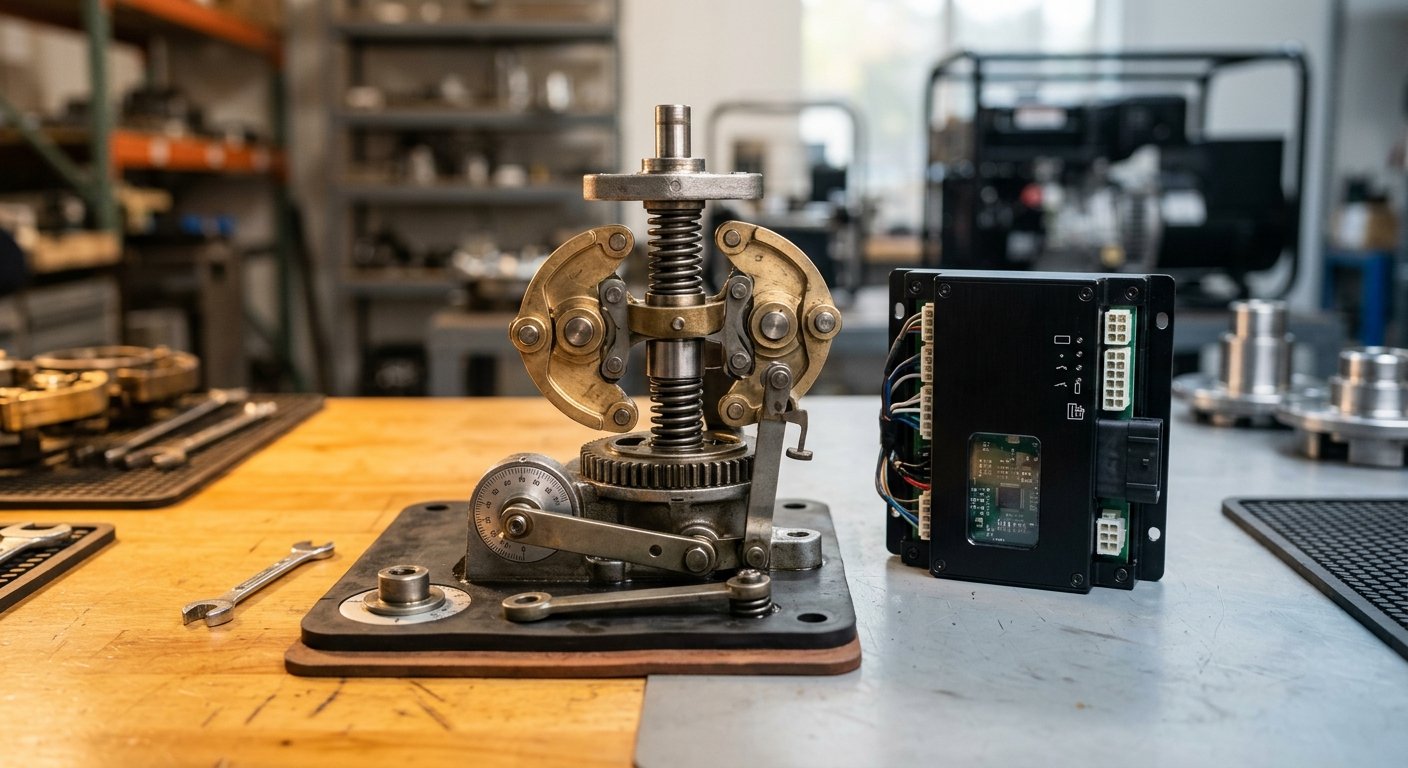
The automatic voltage regulator controls output voltage by adjusting field excitation. A failing AVR causes voltage fluctuations that can damage connected equipment. Test output voltage at no load and full load. If the spread exceeds ±5%, the AVR may need calibration or replacement. MTS carries AVRs for generators across a wide range of brands and frame sizes.
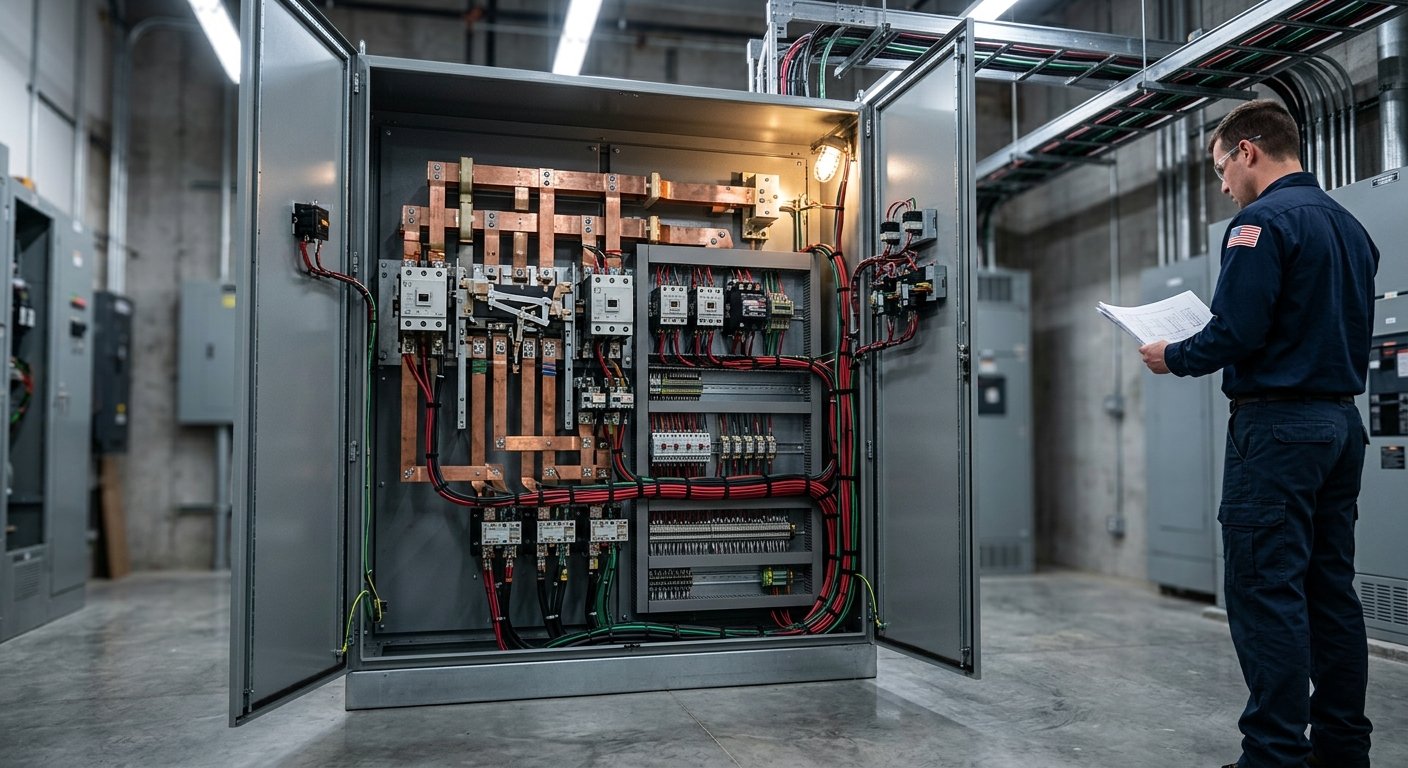
The transfer switch is what actually disconnects you from utility power and connects the generator — it has to operate correctly every time. Test both automatic and manual transfer, verify that the neutral is handled correctly for your installation, and inspect contactors for pitting or arcing. The OSHA guidance on backup power equipment emphasizes proper transfer switch operation as a safety-critical function. MTS stocks a full line of transfer switches for residential and commercial applications.
The governor maintains engine RPM as load changes. At 60 Hz, a four-pole generator needs the engine to hold 1800 RPM. Check governor linkage for wear, inspect the actuator, and verify droop or isochronous settings per the manufacturer’s spec. A hunting governor is often a sign of a worn actuator or dried-out mechanical linkage — address it before the next storm season.
Run the generator at 75–100% of nameplate rating for at least two hours. This validates actual output capacity, burns off wet stacking in diesel units, and stresses every component under real conditions. It’s the one test that catches derating caused by worn rings, injector issues, or alternator degradation that no visual inspection will find.
A generator that won’t transfer, won’t hold voltage, or won’t start isn’t a backup — it’s expensive yard furniture.
Most generator failures trace back to a short list of components: the battery, the fuel system, the AVR, the governor, and the transfer switch. Keeping critical spares on hand — or knowing where to get them fast — is part of a serious maintenance program. As a manufacturer-direct parts supplier serving technicians and facility managers nationwide, MTS Power Products stocks the components that go into these systems. Whether you’re chasing a hunting idle, a voltage spike at load, or a transfer switch that won’t pull in, the team at MTS can help you identify the right part before you order.
Ordering the wrong AVR or governor is a costly mistake — especially when a storm is 48 hours out. Cross-reference your generator’s model number, alternator frame, and output voltage before ordering any electrical component. When in doubt, call MTS’s Miami-based team directly; they ask the right diagnostic questions before shipping.
Most manufacturers recommend a full service annually or every 100–200 hours of run time, whichever comes first. Monthly exercise runs and quarterly battery and fluid checks should happen in between. In South Florida, complete your annual service at least six weeks before June 1 — the start of hurricane season.
Loss of residual magnetism in the alternator, a failed AVR, or an open circuit in the stator or rotor windings are the most common causes. A technician can quickly distinguish between them with a multimeter. If the AVR is the culprit, it’s typically the least expensive fix — and a straightforward DIY replacement for those comfortable with electrical components.
Most lead-acid starter batteries in a standby generator last two to four years, depending on climate, charge cycles, and maintenance. In hot climates like South Florida, expect the shorter end of that range. Load-test the battery every year after the second year and replace it proactively rather than waiting for a no-start.
An automatic voltage regulator (AVR) senses generator output voltage and adjusts excitation current to keep it stable as load changes. Without a functioning AVR, voltage swings can damage sensitive electronics — computers, HVAC controls, appliances — connected to the generator. It’s a small, relatively inexpensive component, but it’s critical to safe, clean power output.
Most fluid checks, filter replacements, battery tests, and visual inspections are well within the capability of a mechanically inclined homeowner. Transfer switch testing, load bank testing, and AVR calibration are better handled by a licensed electrician or generator technician — especially for units tied to the home’s electrical panel. Know your limits and don’t bypass the transfer switch for any reason.
MTS Power Products is a Miami-based, manufacturer-direct supplier serving generator technicians, electricians, and homeowners across the US — call or reach out online for help identifying the right part before you order.
MTS Power Products is a Miami-based, manufacturer-direct supplier of generator parts — including AVRs, transfer switches, battery chargers, and governors — serving commercial, marine, and residential backup power needs nationwide. They combine deep technical expertise with personalized service, helping generator technicians, electricians, facility managers, marine operators, and homeowners select the right parts and keep their backup power systems running reliably. Their direct-from-manufacturer model delivers fair pricing and knowledgeable support that big-box distributors cannot match. Visit mtspowerproducts.com →