


Roughly 70% of generator service calls in 2026 trace back to one of two components: the automatic voltage regulator or the transfer switch. Yet many facility managers, electricians, and homeowners confuse these two critical parts — or don’t understand what each one actually does until something goes wrong. Knowing the difference isn’t just trivia. It determines how you troubleshoot a problem, which replacement part you order, and whether your backup power system works when you need it most.
This guide breaks down both components clearly, explains their distinct roles in a backup power system, and helps you identify which one is causing your current headache.
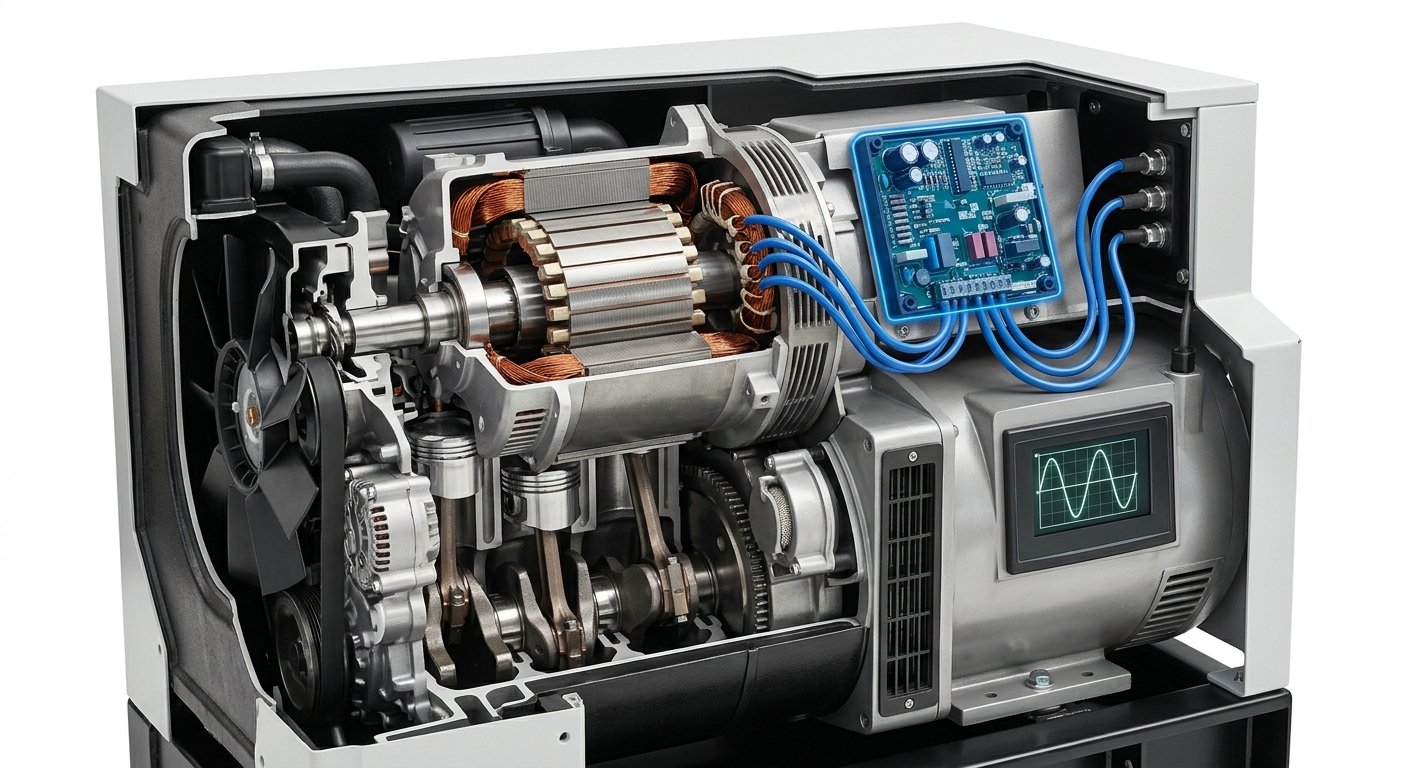
An automatic voltage regulator is an internal generator component that monitors and controls the output voltage produced by the alternator. Its job is to keep the voltage stable regardless of changes in load or engine speed.
Here’s the basic operating principle: as your generator runs, the alternator produces electricity. If the load increases — say, a large HVAC compressor kicks on — the engine experiences more resistance, which can cause voltage to sag. If the load drops suddenly, voltage can spike. The AVR detects these fluctuations in real time and adjusts the excitation current flowing to the field windings, correcting the output voltage almost instantly.
Unstable voltage isn’t just inconvenient. It can damage sensitive equipment, trip breakers, and shorten the lifespan of motors and electronics. For hospitals, data centers, and manufacturing facilities, voltage swings measured in milliseconds can corrupt data or damage equipment worth thousands of dollars.
For homeowners, an AVR failure often shows up as lights that flicker or dim, appliances that cycle oddly, or a generator that seems to run fine but produces erratic power output. The engine sounds normal — the problem is invisible until you measure it.
AVRs are wear components. Heat, moisture, vibration, and age degrade them over time. When an AVR fails, the fix is almost always direct replacement — and matching the correct AVR to your specific alternator make and model is critical. MTS Power Products carries AVRs for a wide range of generator brands and alternator configurations, making it straightforward to find a compatible replacement without guesswork.
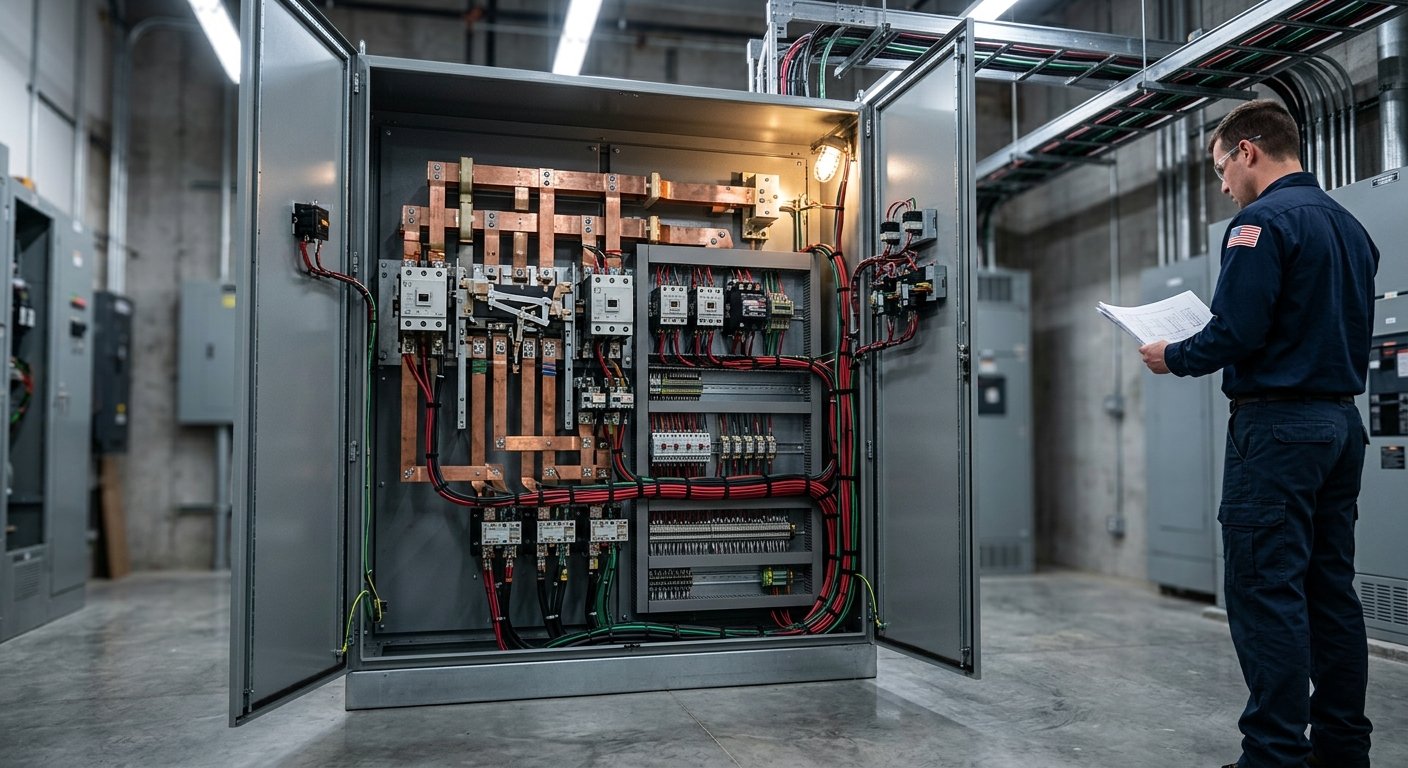
A transfer switch serves an entirely different function. While the AVR works inside the generator to regulate what it produces, the transfer switch sits between the generator and the building’s electrical system. Its job is to safely switch the electrical load from utility power to generator power — and back again — without ever connecting both sources simultaneously.
That last point is critical. Connecting a generator to utility power at the same time creates a condition called backfeed, which can electrocute utility workers making repairs down the line. Transfer switches are a legal requirement in most jurisdictions for permanently installed standby generators, and for good reason.
Transfer switches come in two main types:
Manual Transfer Switches (MTS) require a person to physically operate the switch when utility power fails. They’re common in smaller residential installations and portable generator setups. They’re reliable, lower cost, and don’t require a controller to monitor utility power.
Automatic Transfer Switches (ATS) monitor utility voltage continuously. When utility power drops below an acceptable threshold, the ATS signals the generator to start, waits for the generator to stabilize, then transfers the load automatically — often within seconds. When utility power returns and stabilizes, the ATS transfers the load back and shuts the generator down. No human intervention required.
For facilities that can’t afford any manual response time — hospitals, data centers, wastewater treatment plants, critical manufacturing — an automatic transfer switch is non-negotiable.
Transfer switch failures are often caused by contact wear from repeated switching cycles, moisture intrusion, rodent damage to wiring, or controller board failure. Inspection during scheduled maintenance can catch worn contacts before they fail completely.
To make the distinction concrete, here’s how these two components differ across every key dimension:
When backup power fails, the fastest path to a solution is methodical diagnosis. Here’s a practical approach to generator parts troubleshooting that isolates whether you’re dealing with an AVR issue, a transfer switch issue, or something else entirely.
Start at the source. Is the generator running? Does it reach operating speed? Use a multimeter to measure the generator’s output voltage directly at the generator terminals, before the transfer switch. If voltage is absent, unstable, or wildly out of spec, the problem is upstream of the transfer switch — likely the AVR, the excitation system, or the alternator itself.
If the generator is producing correct voltage but the building isn’t receiving power, move to the transfer switch. Confirm it has physically switched positions. Check the ATS controller for fault codes. Inspect contacts visually for signs of wear, arcing, or mechanical failure. Verify wiring connections are intact.
Measure voltage on the generator input side of the transfer switch. Then measure on the load output side. Voltage present on one side but not the other confirms the transfer switch is not completing the circuit — a clear sign of contact failure or a mechanical issue within the switch itself.
Has the AVR been replaced recently? Transfer switches have a rated switching cycle life — do you know how many cycles yours has logged? Has the generator been running under heavy load that might have stressed the AVR? Context from the maintenance record often points directly to the likely failure point.
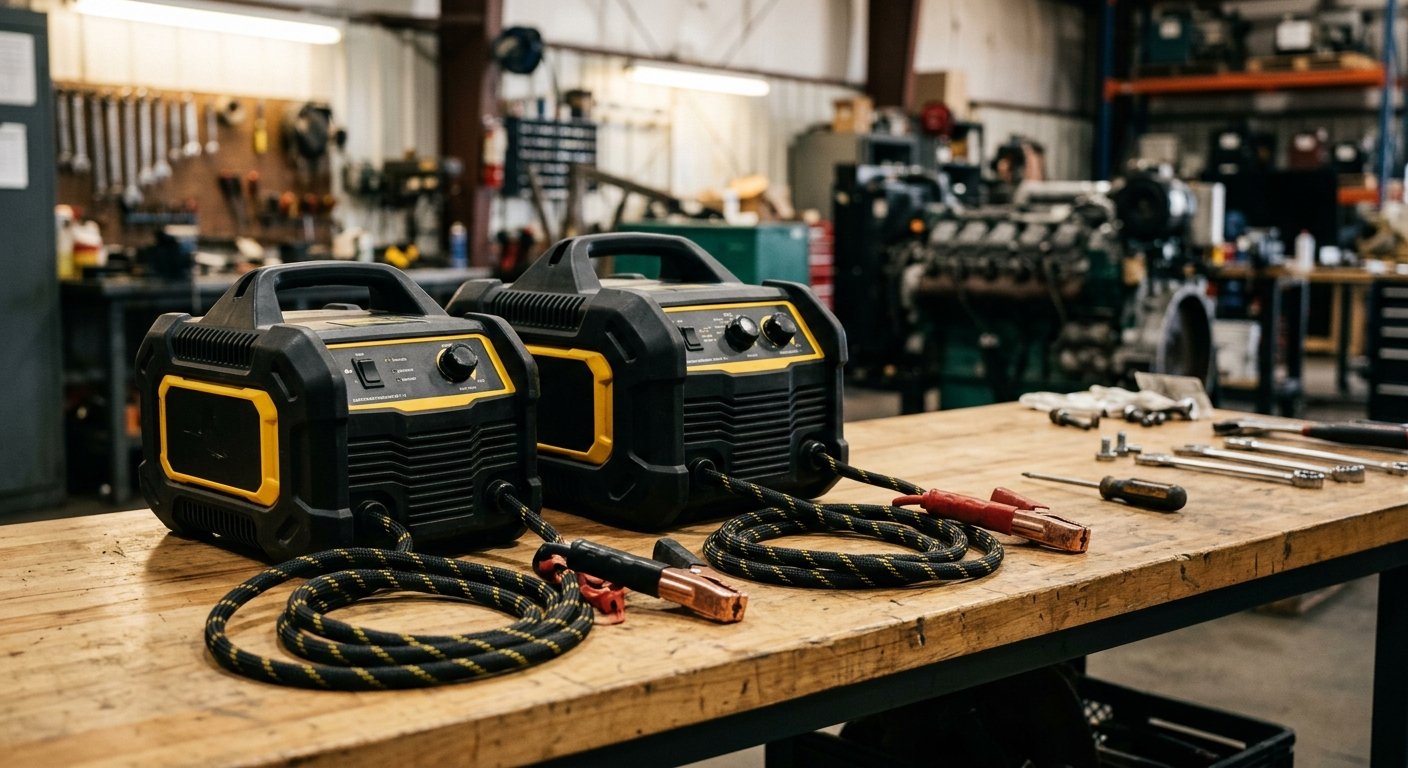
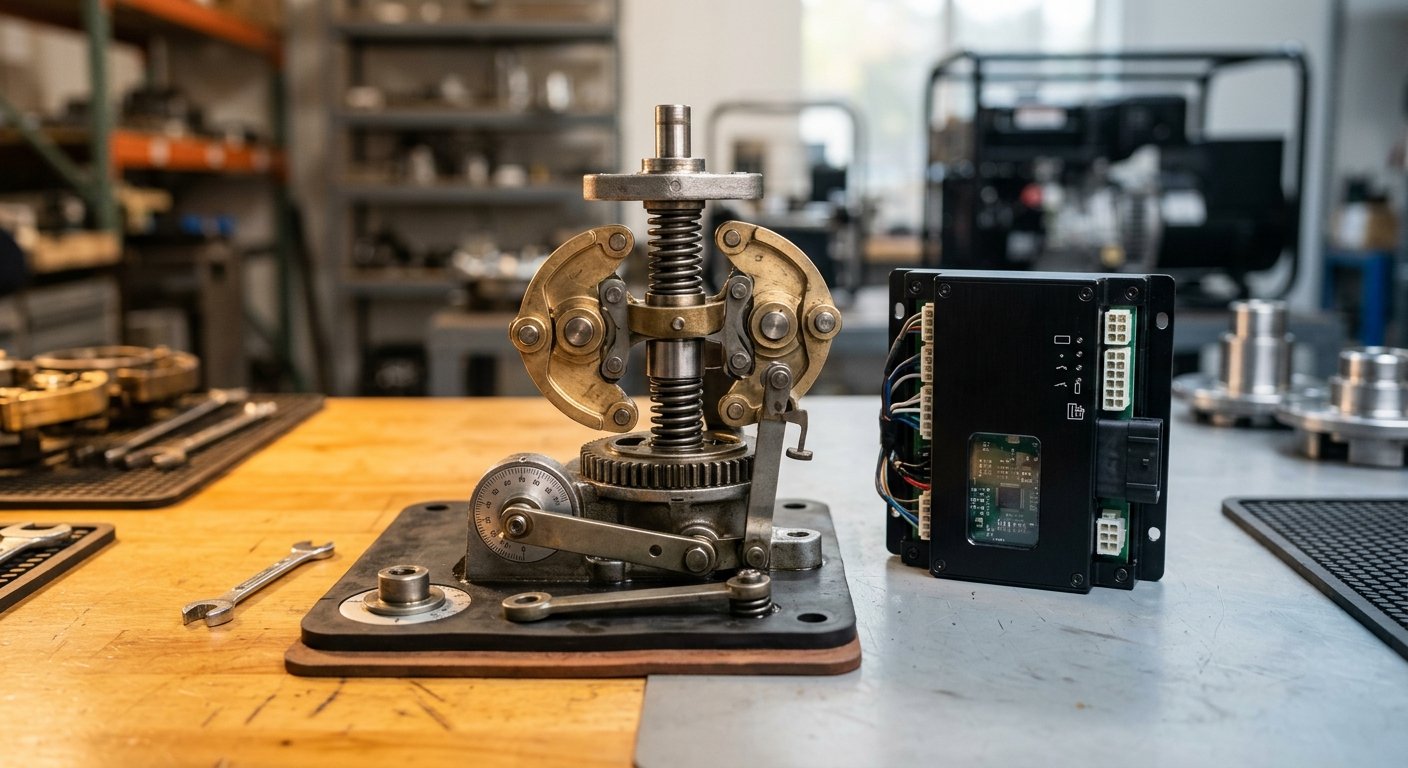
AVRs and transfer switches are the two most commonly confused components, but they work alongside other critical backup power components in any well-designed system. Battery chargers keep the starting batteries conditioned so the engine starts reliably when called. Governors maintain stable engine speed under varying loads — and since the AVR works based on engine speed and excitation, governor problems can mimic AVR problems. Capacitors support the excitation system in certain alternator designs.
Understanding how these components interact helps you avoid misdiagnosis. A governor that can’t hold steady speed will cause voltage to hunt even when the AVR is functioning correctly. Replacing the AVR in that scenario solves nothing. Systematic diagnosis — testing each component in its role — is always faster than swapping parts hoping for improvement.
MTS Power Products specializes in exactly these replacement components: AVRs, transfer switches, battery chargers, governors, and related parts for standby and prime power generators across residential, commercial, marine, and industrial applications. Buying direct from a manufacturer-level supplier means better parts availability, proper technical specifications, and support from people who understand how these systems work together.
Most AVR and transfer switch failures are predictable — they follow from deferred maintenance. A practical maintenance schedule for backup power systems should include:
Preventive replacement of an AVR or transfer switch on a scheduled basis is nearly always cheaper than an emergency failure during an actual outage — especially in commercial or critical facility environments where downtime has real financial consequences.
Whether you’re a generator technician sourcing an AVR for a specific alternator, a facility manager replacing an aging automatic transfer switch, or a homeowner trying to understand why your standby generator isn’t powering the house, the diagnosis always starts with understanding what each component does and where it fits in the system.
AVRs control voltage quality at the source. Transfer switches control how and when power reaches the load. Both are essential. Both fail eventually. And both require the correct replacement part — not a close substitute — to restore reliable backup power.
MTS Power Products is your direct source for AVRs, transfer switches, battery chargers, governors, and a full range of generator parts. Browse the catalog, use the technical specs to confirm compatibility, and order with confidence from a supplier that understands backup power from the inside out. When your generator has to work, the parts inside it need to be right. Visit MTS Power Products today to find what your system needs.