


A 5,000-watt generator running a few fans and a refrigerator is not the same thing as backup power. If you’ve watched your neighbors fire up an undersized unit during a hurricane and still lose everything in their fridge by day two, you know exactly what that distinction costs. Sizing a home backup generator correctly isn’t complicated, but it does require honest math — and a clear understanding of what you actually need to power.
This guide walks through the real process: calculating your load, choosing your fuel type, and deciding between a portable and a standby system. Whether you’re a homeowner in Miami-Dade preparing for hurricane season or a technician helping a client spec out a standby generator for home use, the fundamentals are the same.
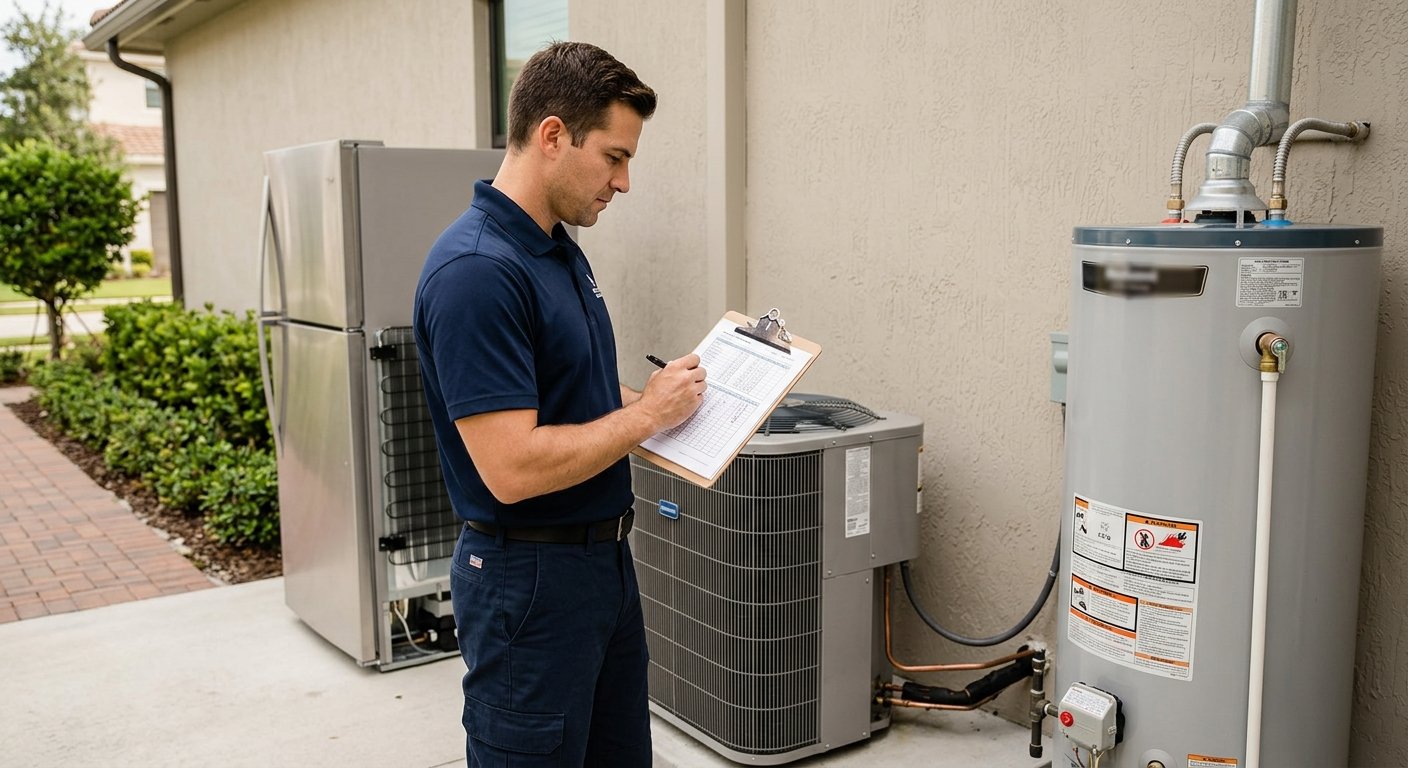
Backup generator sizing begins with a load calculation — not a guess, not a rule of thumb. Pull the nameplate data from your major appliances and HVAC equipment, or use your utility’s energy audit records as a starting point. Here’s what you’re looking for:
A 3-ton central air conditioner, which is common in South Florida homes, typically draws around 3,500 running watts but may surge to 6,000–8,000 watts at startup. Add a refrigerator (700W running / 2,200W surge), a well pump if applicable (1,000W running / 3,000W surge), lighting (300–600W), and a few outlets for phones and medical equipment, and a modest home can easily require 10,000–15,000 running watts with surge capacity above that.
The U.S. Department of Energy provides a solid reference for estimating appliance energy use that homeowners and techs alike can use to cross-check nameplate data.
This is the first real decision point, and it matters more than most people realize.
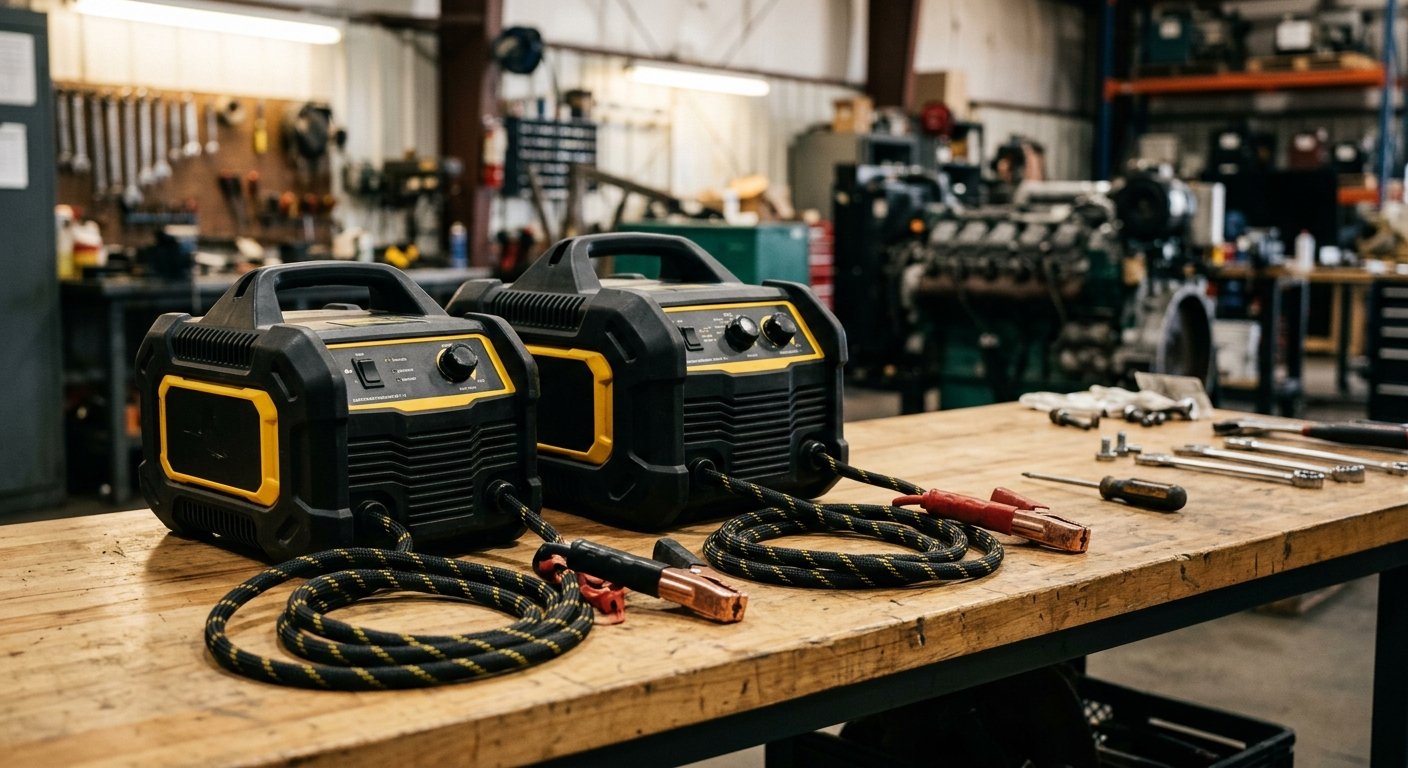
Portable units run on gasoline or dual-fuel (gas/propane) and typically range from 3,000 to 12,000 watts. They cost less upfront, but they require manual setup, extension cords or a transfer switch connection, fuel storage, and someone physically present to start them. In a multi-day outage — standard after a major hurricane — sourcing gasoline becomes its own crisis. They’re a legitimate option for partial-load backup or as a secondary unit, but they are not a whole house generator solution for most homes.
A standby generator for home use is permanently installed, connected to your home’s electrical panel via a transfer switch, and fueled by natural gas or propane. It starts automatically within seconds of detecting an outage — typically within 10 to 30 seconds — and runs indefinitely on a continuous fuel supply. For South Florida homeowners who may be away during evacuation or who depend on medical equipment, an automatic standby unit isn’t a luxury. It’s the right tool.
Standby home backup generators are commonly sized from 10 kW to 22 kW for residential applications. A 10–14 kW unit covers essential circuits in a mid-sized home. A 20–22 kW generator handles a 2,000–3,500 sq. ft. home with central AC running fully.
Both fuels are viable. Your choice depends on your infrastructure and intended use.
For a residential backup scenario in a suburb of Miami or Fort Lauderdale with existing natural gas service, a natural gas standby generator is almost always the practical choice. For a remote property on a large lot, diesel with a properly sized tank gives you full control over your fuel supply.
Residential generators are almost universally single-phase, 120/240V. If you’re sizing backup power for a home with a large workshop, an EV charger, or any three-phase equipment — or if you’re assisting a commercial client — confirm whether the panel is single or three-phase before specifying a generator. A 20 kW single-phase unit and a 20 kW three-phase unit are not interchangeable.
The National Electrical Code (NFPA 70) governs generator installation requirements, transfer switch connections, and grounding — a licensed electrician should handle the final installation and permit process.
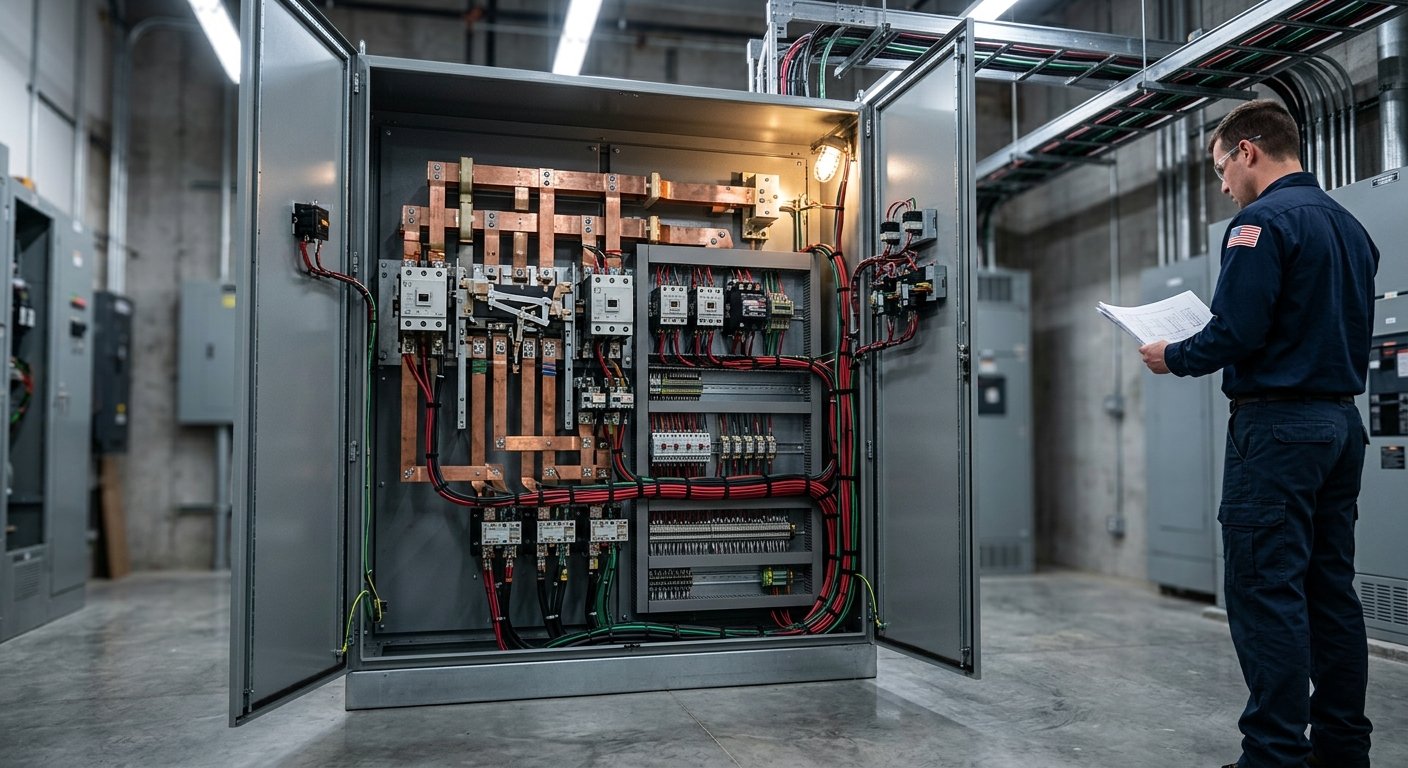
A generator without a proper transfer switch is either useless or dangerous. Back-feeding utility power through an improperly connected generator can kill utility lineworkers and destroy your generator simultaneously. A transfer switch — either automatic (ATS) or manual — isolates your home from the grid before the generator takes over the load.
For a standby generator for home use, an automatic transfer switch (ATS) is standard. It monitors utility voltage, detects an outage, signals the generator to start, and switches the load — all without human intervention. Transfer switch sizing must match or exceed the main panel amperage: a 200A residential panel requires a 200A-rated ATS at minimum.
MTS Power Products carries transfer switches for residential and commercial applications, sourced direct from manufacturers. If you’re not sure which ATS fits your panel and generator combination, call the team at 305-634-1511 — they can walk you through compatibility without the runaround you’d get from a big-box distributor.
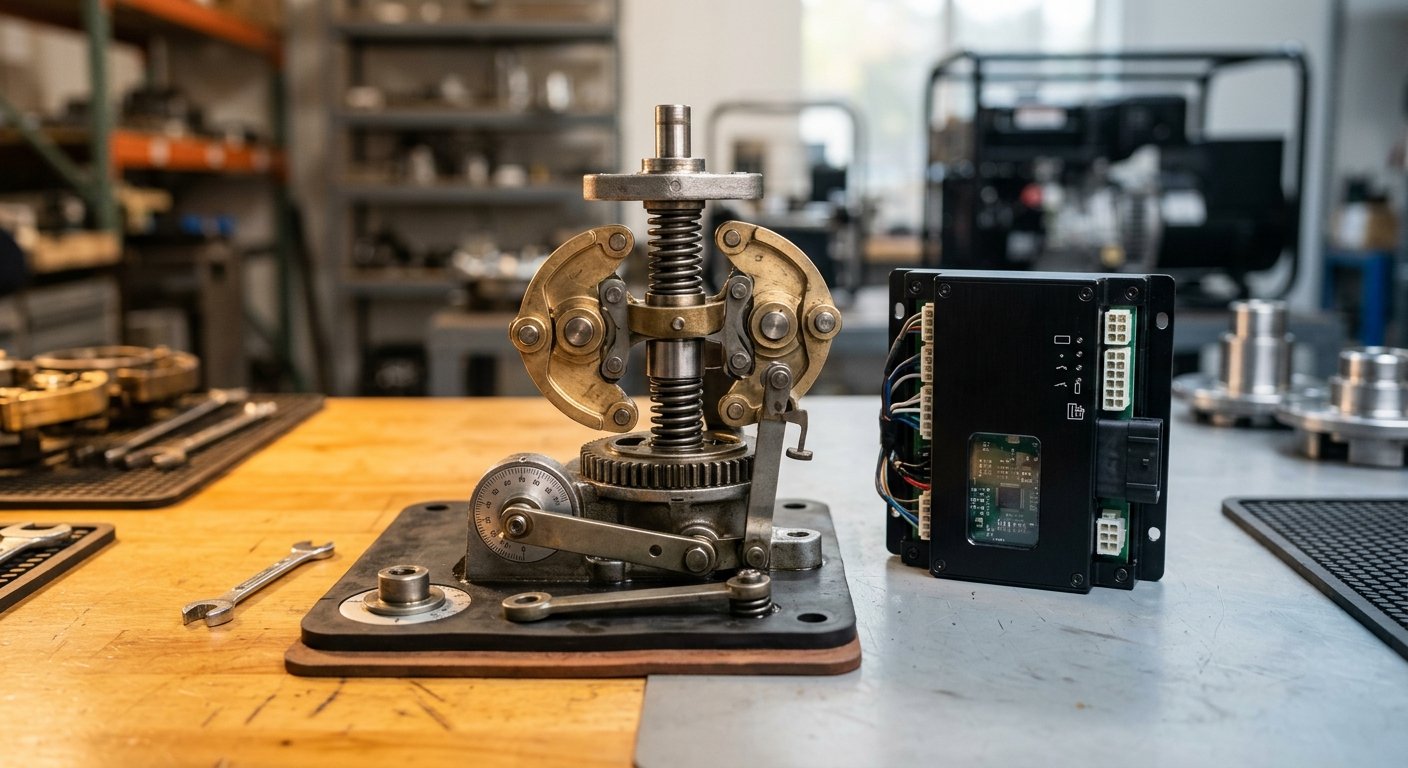
Generator sizing is only half the equation. A correctly sized generator with a failed automatic voltage regulator (AVR), a dead battery charger, or a malfunctioning governor isn’t providing backup power to anyone. These components are the reason a standby generator starts on demand and runs cleanly under load:
MTS Power Products stocks these components for a wide range of generator platforms. Browse the full catalog at generator parts or reach out for direct technical support.
A 2,200 sq. ft. home in Broward County with a 4-ton central AC unit, standard appliances, and a home office needs approximately:
Total running load: approximately 8,400 watts. Peak surge demand: approximately 17,300 watts at startup. A 20 kW standby generator handles this comfortably with headroom. A 14 kW unit works only if the AC startup surge is managed — some modern inverter-type ACs have lower surge requirements, which changes the math.
This is why nameplate data matters. Don’t size on square footage alone.
Square footage alone doesn’t determine generator size — your specific appliances do. A 2,000 sq. ft. home in Florida with central AC typically needs a 14–20 kW standby generator. Homes with electric water heaters, EV chargers, or multiple AC zones may require more. Always calculate actual running and surge loads before specifying a unit.
A portable generator can power selected circuits through a manual transfer switch, but running an entire home — including central AC — typically exceeds the capacity of most portable units. Whole-house backup power is better served by a permanently installed standby generator connected to a properly rated automatic transfer switch.
As long as the natural gas supply is active. Most manufacturers recommend stopping the unit every 100–200 hours for maintenance checks during extended outages. Always follow the manufacturer’s maintenance schedule for oil changes and filter inspections during prolonged operation.
You need a transfer switch rated for at least 200 amps at the appropriate voltage — typically 120/240V single-phase for residential applications. The switch must be compatible with both your generator output and your main panel configuration. A licensed electrician should confirm the installation meets local code requirements under NFPA 70.
Most manufacturers and the NFPA 110 standard for emergency power systems recommend a minimum monthly exercise cycle under load for at least 30 minutes. This keeps the battery charged, circulates engine oil, and surfaces mechanical issues before you actually need the unit during a storm.
Ready to get the right parts for your standby system? Whether you’re replacing an AVR on an existing unit, specifying a transfer switch for a new installation, or troubleshooting a governor issue before hurricane season hits, the MTS Power Products team in Miami is here to help. We supply generator parts manufacturer-direct to technicians, homeowners, and facilities teams across the United States. Call us at 305-634-1511 or browse our full inventory at mtspowerproducts.com.