


Natural gas generators are backup power systems that connect directly to your home or facility’s natural gas line and automatically provide electricity during outages. Unlike portable generators that require refueling, these standby units draw fuel continuously from the same utility line that powers your furnace or water heater.
Quick Overview: What Makes Natural Gas Generators Different
For facilities managers, this means minimizing downtime without the hassle of monitoring fuel levels or manually starting equipment. For homeowners, it means peace of mind during hurricane season when power outages can last for days.
Natural gas generators have become increasingly popular as the United States has expanded its natural gas infrastructure. The fuel is abundant, affordable, and burns cleaner than traditional alternatives. Commercial facilities rely on systems ranging from 13 kW to over 2,000 kW, while residential units typically fall between 7 kW and 48 kW.
These generators serve as both primary and backup power sources across industries – from hospitals and data centers that can’t afford a single second of downtime, to manufacturing plants protecting expensive equipment, to families keeping their refrigerators, HVAC systems, and medical devices running during storms.
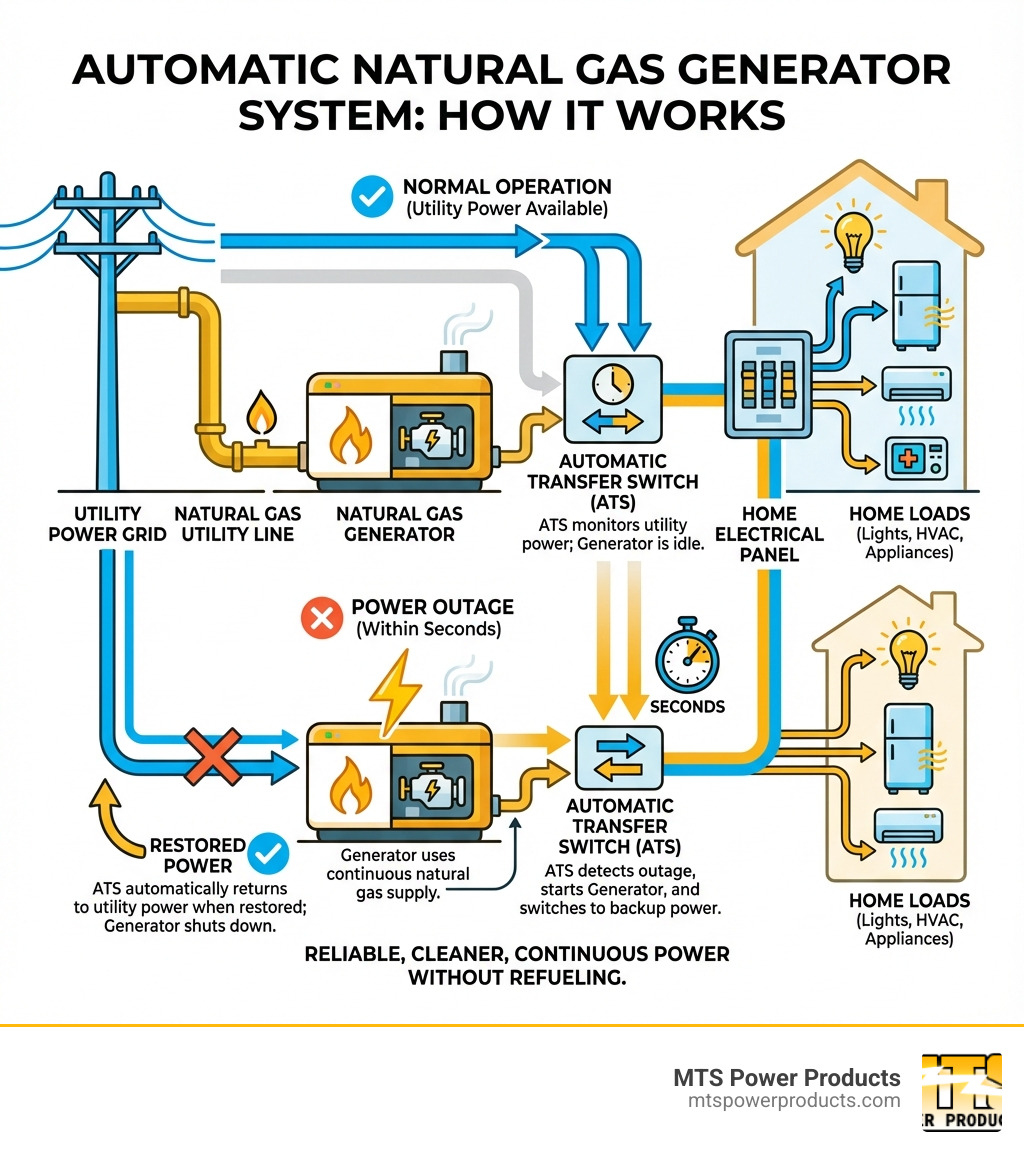
Natural gas generators terms simplified:
When the lights go out, reliable power isn’t just convenience – it’s necessity. Natural gas generators offer compelling benefits that make them a top choice for homes and businesses.
One significant benefit is cost-effectiveness. Natural gas is often cheaper than other fuels like diesel, leading to lower operational costs and significant savings over the generator’s lifespan.
The uninterrupted fuel source is another huge plus. Since natural gas generators connect directly to your utility line, they offer continuous, worry-free fuel supply. This eliminates on-site fuel storage, saving space and reducing safety risks.
Lower emissions make them environmentally friendly. Natural gas burns cleaner than diesel or coal, producing fewer harmful pollutants like CO2 and NOx, helping reduce your carbon footprint.
Reliability is paramount in South Florida where severe weather can strike. Natural gas generators are designed for continuous use, offering consistent power for extended periods. With proper maintenance, these robust machines can perform for 20+ years.
Finally, reduced maintenance needs contribute to their appeal. Natural gas engines often have lower maintenance costs compared to diesel counterparts.
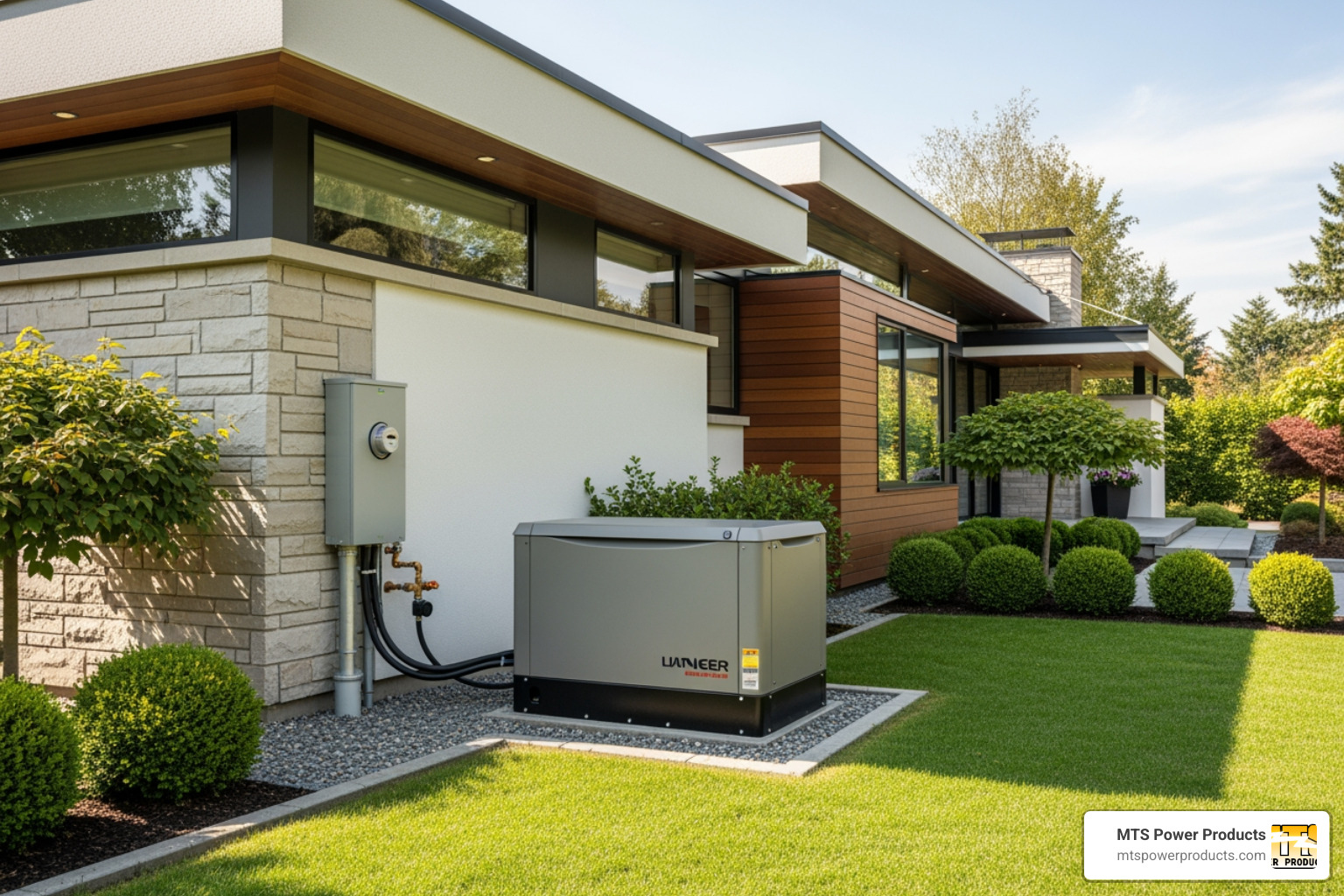
For Miami homeowners, a natural gas generator is an essential safeguard.
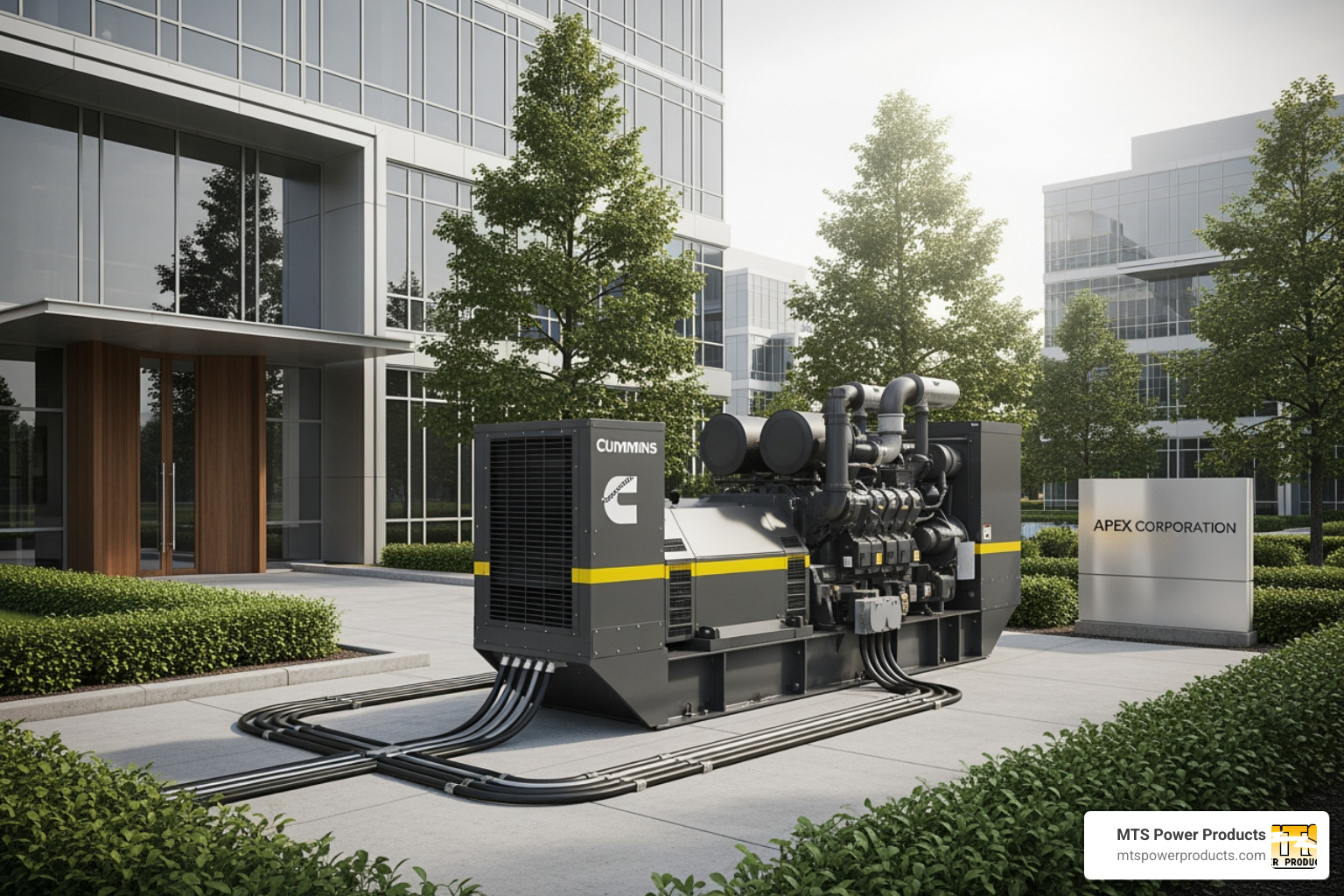
Natural gas generators are workhorses in commercial settings where continuous power is critical.
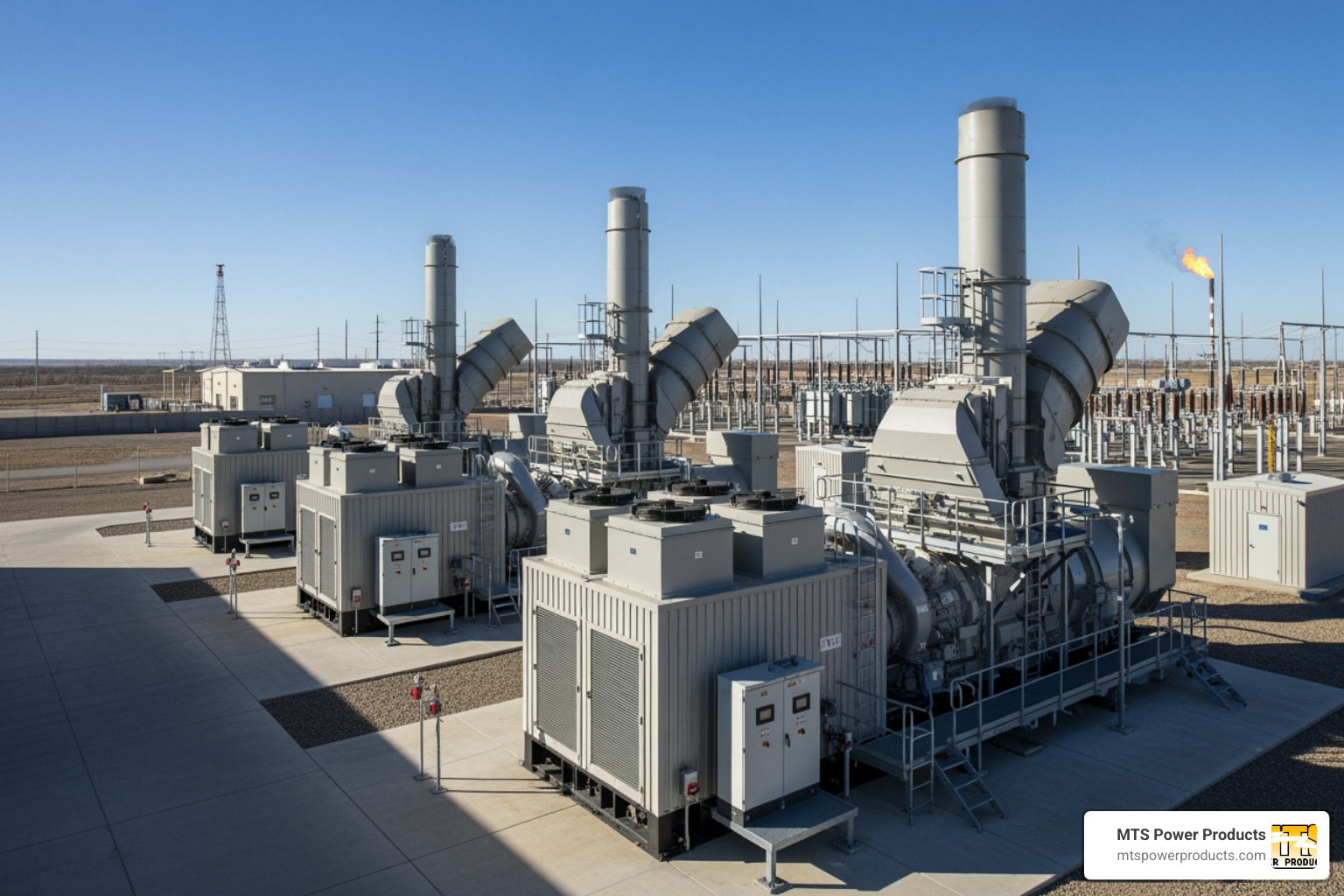
For more about large-scale operations, explore View Commercial & Industrial Natural Gas Generators – Triton Power.
When selecting a generator, fuel type is critical. While diesel generators have been a staple, natural gas generators are gaining traction for good reason.
| Feature | Natural Gas Generators | Diesel Generators |
|---|---|---|
| Fuel Cost | Generally lower and more stable fuel prices | Fuel prices can be more volatile and often higher |
| Fuel Storage | No on-site storage required, connects directly to utility line | Requires dedicated on-site fuel tanks with environmental and safety risks |
| Emissions | Lower emissions of particulate matter, NOx, and carbon monoxide | Higher emissions of pollutants, may require additional exhaust treatment |
| Maintenance | Lower maintenance costs due to cleaner-burning fuel | Higher maintenance costs due to fuel byproducts |
| Initial Cost | Often comparable to or slightly higher than diesel units | Generally lower initial purchase price |
| Reliability | Highly reliable with unlimited run-time when connected to utility line | Extremely robust but limited by on-site storage |
Natural gas generators offer advantages in fuel price stability, environmental impact, and convenience. While initial cost might be slightly higher, long-term operational savings from lower fuel and maintenance costs often make natural gas more economical. The absence of on-site fuel storage mitigates risks associated with fuel degradation, theft, and environmental contamination.
As the U.S. Environmental Protection Agency notes, using natural gas instead of higher-emitting fuels can reduce overall environmental impact.
When the lights go out, a reliable power source is a necessity. Natural gas generators offer a blend of benefits that make them a strong choice for homes and businesses alike.
Key advantages include cost-effectiveness, thanks to generally lower and more stable natural gas prices, and an uninterrupted fuel source from your existing utility line. This eliminates trips for fuel and removes the need to store large on-site fuel tanks.
They also deliver lower emissions than diesel or coal, helping reduce your overall carbon footprint, and are known for their reliability and long service life when properly maintained. Because natural gas burns cleaner, many units experience reduced maintenance needs compared to diesel engines.
For homeowners in Miami, FL, a natural gas generator is a practical safeguard.
In commercial and industrial settings, continuous power is tied directly to safety and profitability.
We understand the unique demands of industrial and commercial power in South Florida and design solutions to meet them head-on.
When selecting a generator, one of the most critical decisions is the fuel type. While diesel generators have long been a staple, natural gas generators are increasingly gaining traction for good reason. Here is a comparison to help you understand which might be the best fit for your needs.
| Feature | Natural Gas Generators | Diesel Generators |
|---|---|---|
| Fuel Cost | Generally lower and more stable fuel prices, as natural gas is often cheaper and more readily available. | Fuel prices can be more volatile and often higher. |
| Fuel Storage | No on-site storage required, connecting directly to a utility line. Eliminates safety risks and space needs. | Requires dedicated on-site fuel tanks, which need to be regularly refilled, maintained, and can pose environmental and safety risks (e.g., spills, fire hazards). |
| Emissions | Significantly lower emissions of particulate matter, nitrogen oxides (NOx), and carbon monoxide. Considered a cleaner, more environmentally friendly option. | Higher emissions of pollutants, including soot and NOx. May require additional exhaust after-treatment to meet stringent environmental regulations. |
| Maintenance | Typically lower maintenance costs due to cleaner-burning fuel, leading to less engine wear and fewer deposits. | Can incur higher maintenance costs due to fuel and combustion byproducts, potentially requiring more frequent oil changes, filter replacements, and specific emissions system upkeep. |
| Initial Cost | Often comparable to or slightly higher than diesel units, especially for larger industrial models, due to more complex fuel delivery systems. | Generally have a lower initial purchase price, particularly for smaller to mid-range units. |
| Reliability | Highly reliable, especially for standby and continuous applications, with unlimited run-time during outages when connected to a utility line. | Extremely reliable and robust, particularly for heavy-duty, continuous power applications. Fuel availability is limited by on-site storage. |
Natural gas generators offer clear advantages in terms of fuel price stability, environmental impact, and convenience. While the initial cost might be slightly higher, the long-term operational savings from lower fuel and maintenance costs often make natural gas a more economical choice. The absence of on-site fuel storage also mitigates risks associated with fuel degradation, theft, and environmental contamination. For us in Miami, where space is often at a premium and environmental concerns are significant, these factors weigh heavily in favor of natural gas. As the EPA notes, using natural gas reduces the environmental impact compared to diesel or coal, making it a sustainable choice for eco-conscious operations.
Selecting the perfect natural gas generator involves understanding your power needs and the different types available. We’re here to guide you through this process to ensure you get a solution that’s just right for you.
What are the different types of natural gas generators available on the market?
The importance of professional sizing cannot be overstated. An undersized generator won’t meet your needs, while an oversized one can be an unnecessary expense and less fuel-efficient. Our experts at MTS Power Products can perform a thorough site survey and load analysis to determine the exact power requirements for your home or business in Miami, FL, ensuring you get the most efficient and cost-effective solution.
When investing in a natural gas generator, certain features can significantly improve its performance, convenience, and safety. We believe in providing solutions with advanced capabilities.
Natural gas generators come in a wide array of power outputs, measured in kilowatts (kW) or kilovolt-amperes (kVA). The right size depends entirely on what you need to power.
Load calculation is a critical step. It involves adding up the wattage of all the appliances and systems you want to power simultaneously. Don’t worry, you don’t have to do this alone. Our team specializes in precise load calculations to ensure your natural gas generator is perfectly matched to your requirements.
Here’s a list of common appliances and their typical power requirements (these are estimates and can vary by model):
For detailed specifications and technical data on various power output ratings, you can refer to an Electric Power Ratings Guide.
When you invest in a natural gas generator, you’re choosing a long-term power solution. Our commitment is to provide reliable equipment that stands the test of time, supported by manageable maintenance and exciting future innovations.
Natural gas generators are renowned for their long lifespan. With proper maintenance, these robust units can easily perform for more than 20 years, offering an excellent return on investment. Their cleaner-burning fuel reduces engine wear, leading to lower maintenance requirements and costs compared to diesel units. Many modern engines also feature self-adjusting technology to handle variations in fuel composition, ensuring consistent and efficient power delivery.
The world of power generation is constantly evolving, and natural gas generators are at the forefront of exciting technological advancements.
These advancements highlight the industry’s commitment to providing not just reliable power, but also smarter, cleaner, and more integrated energy solutions for the future.
Here are answers to some of the most common questions we receive about natural gas generators.
Natural gas generators are exceptionally reliable for continuous power. Their direct connection to a utility gas line provides an uninterrupted fuel supply, allowing them to run for days or even weeks during an outage. This is a major advantage over generators that require frequent refueling. They are engineered for robust, continuous operation, making them ideal for mission-critical applications like data centers and healthcare facilities, as well as for ensuring residential comfort and safety during severe weather.
The environmental impact of natural gas generators is significantly lower than that of diesel or coal-powered units. Natural gas is a cleaner-burning fuel, which means it produces:
Many natural gas generators are EPA-certified, meeting strict environmental standards and making them a more sustainable choice for both homes and businesses.
While all generators need regular maintenance, natural gas generators typically have lower maintenance requirements than diesel units. Because natural gas burns cleaner, there is less wear on engine components.
Typical maintenance includes:
We highly recommend annual professional servicing to ensure your generator is always ready to perform. With proper care, a natural gas generator can provide reliable power for over 20 years.
When reliable power is non-negotiable, natural gas generators stand out as a smart, efficient, and sustainable solution. From providing seamless home backup during a hurricane in Miami to ensuring mission-critical operations run without interruption, their benefits are clear.
Natural gas generators offer a continuous fuel supply, lower operational costs, and a smaller environmental footprint. Their automatic operation and robust reliability provide unparalleled peace of mind, and with a lifespan of 20 years or more, they represent a sound long-term investment.
At MTS Power Products, we are a direct source for professional-quality generators and custom power solutions. Based in Miami, FL, we understand the unique demands of our local climate. Our expertise, combined with our customized line of McPherson Controls featuring advanced remote monitoring and high safety standards, ensures you receive a power solution custom to your needs. We are centrally located near the Miami International Airport and the Port of Miami, offering worldwide delivery.
Choosing a natural gas generator is choosing a future-ready power solution that aligns with efficiency, reliability, and environmental responsibility. We’re here to help you make that smart power choice.
Explore our range of natural gas powered generators and let us help you power up smart.