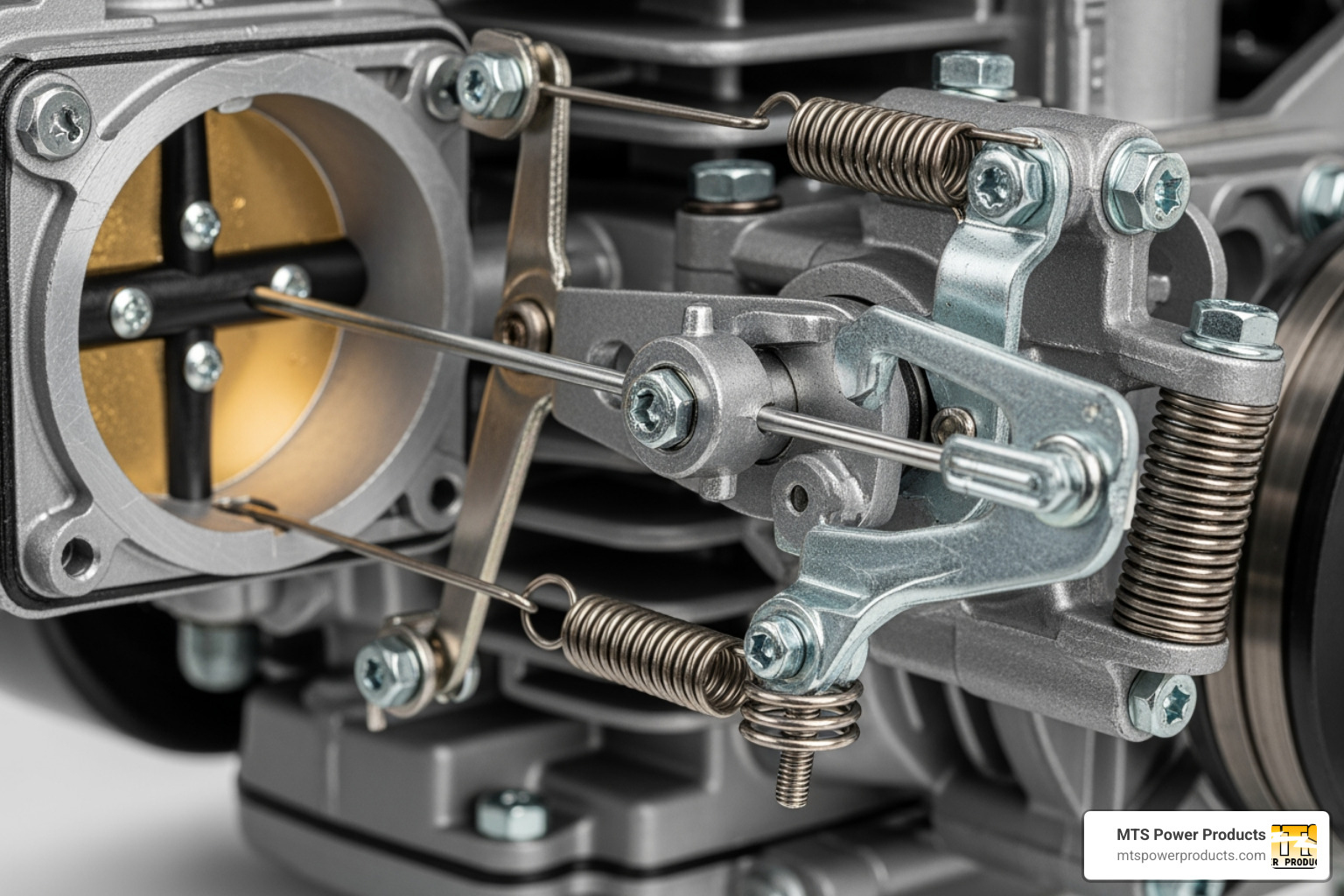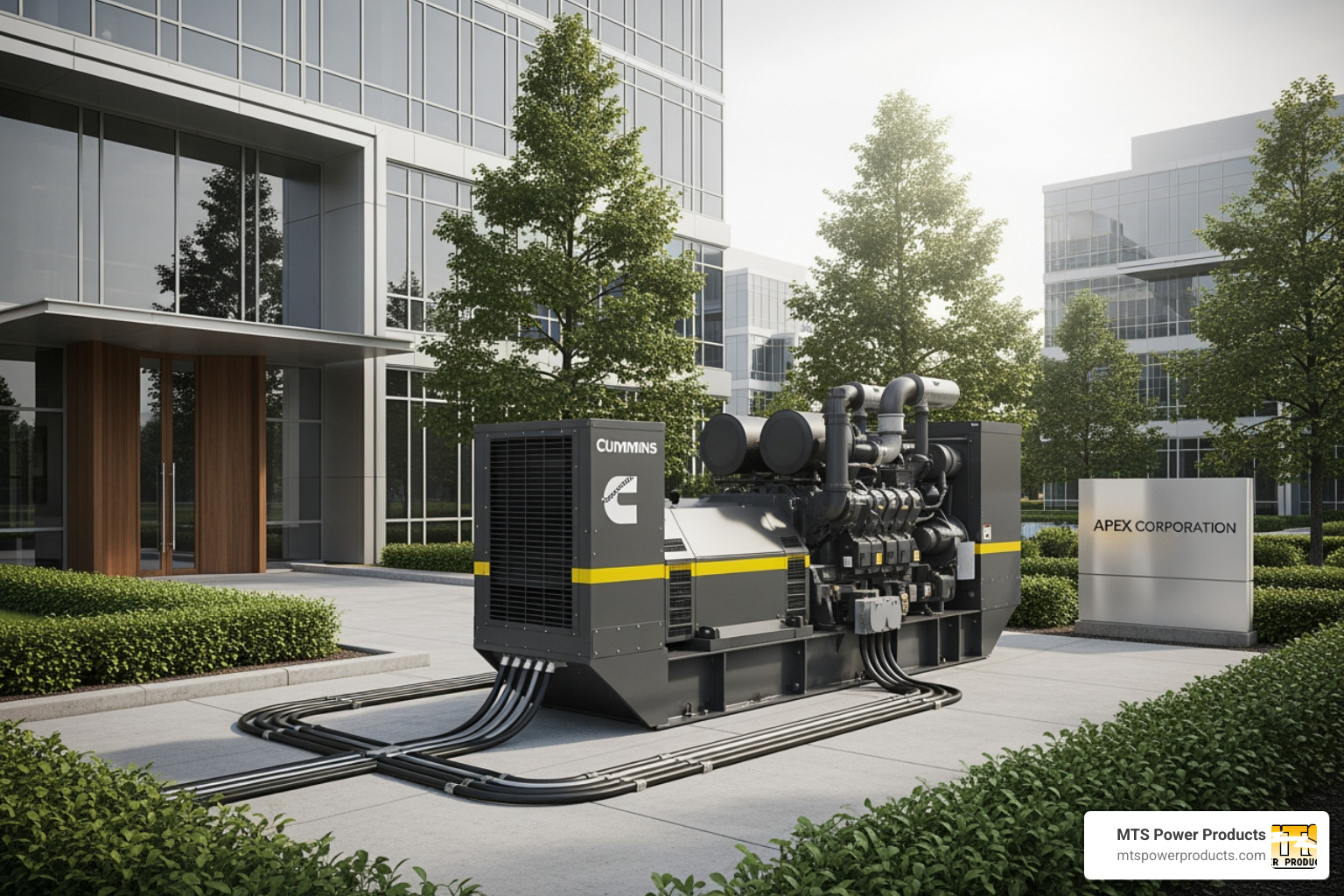



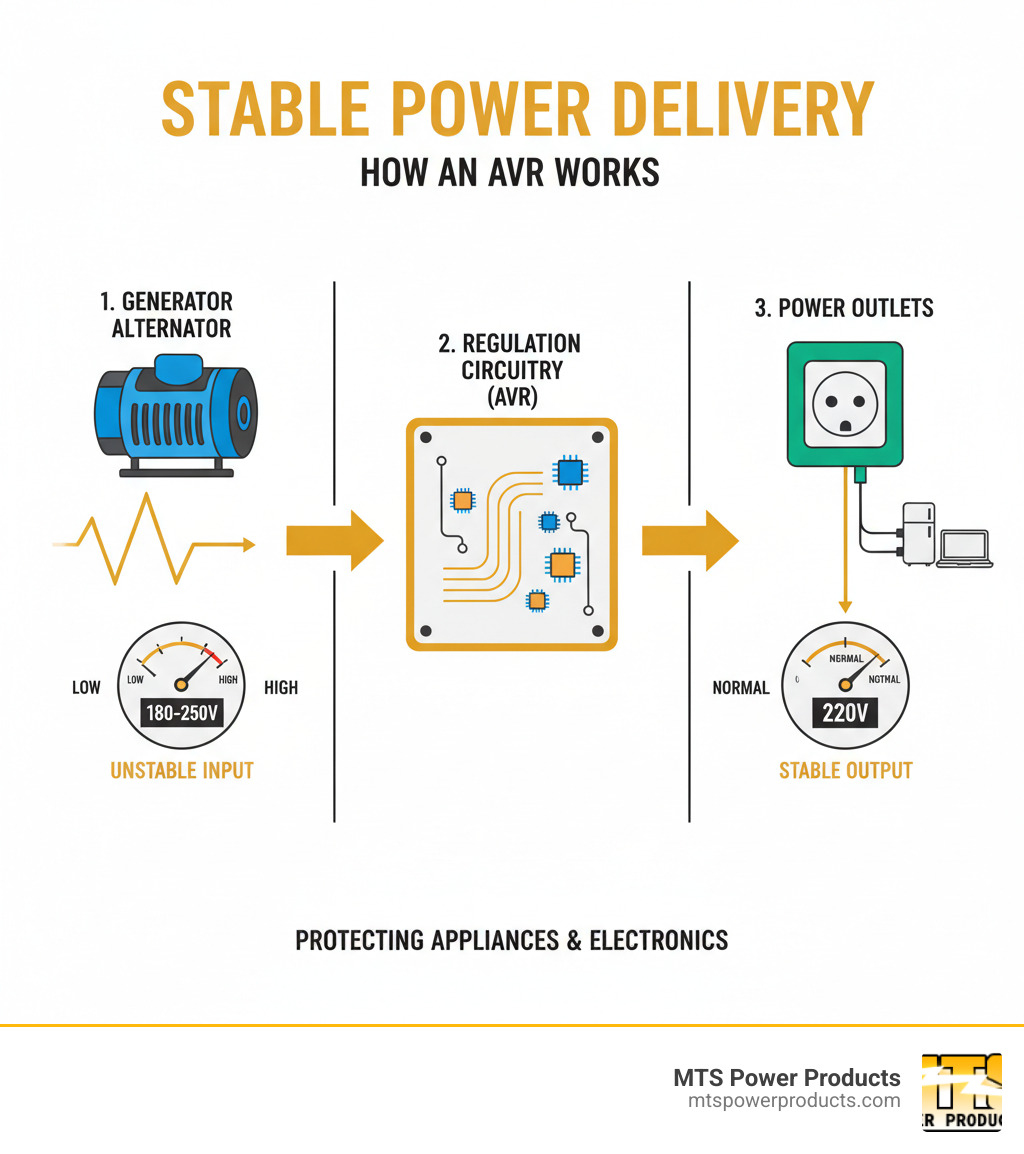
Generator AVR replacement is essential when your generator stops producing stable power or fails to output voltage. The Automatic Voltage Regulator (AVR) is a critical component that takes the raw, fluctuating voltage from the alternator and transforms it into clean, consistent power that’s safe for your appliances and electronics. Without a functioning AVR, your generator can’t do its job, even if the engine runs perfectly.
Quick Answer: When to Replace Your Generator AVR
Replacement typically takes 30-60 minutes with basic tools (screwdriver, multimeter, socket wrench).
According to research by the U.S. Department of Energy, regular maintenance of backup power systems, including components like AVRs, can reduce the likelihood of failure by up to 70%. This is significant when an unexpected power system failure during an emergency could mean lost food, compromised safety systems, or dangerous conditions.
A failing AVR also hurts energy efficiency, forcing your generator to work harder, burn more fuel, and potentially damage the alternator—a repair that can cost hundreds or thousands of dollars. For facilities managers and homeowners alike, especially those preparing for hurricane season in South Florida, understanding when and how to replace a generator’s AVR is essential knowledge.
Related content about generator avr replacement:
A failing Automatic Voltage Regulator (AVR) can directly affect your generator’s performance and the safety of everything plugged into it. When your generator starts acting strangely, a generator AVR replacement might be necessary.
Even if the engine runs perfectly, a faulty AVR means the power output won’t be stable. You might see your lights flickering, or sensitive electronics may act strangely or shut down. In some cases, the generator engine runs, but there’s simply no power output at the outlets. This is a classic symptom of a completely failed AVR that can no longer get the alternator to produce electricity.
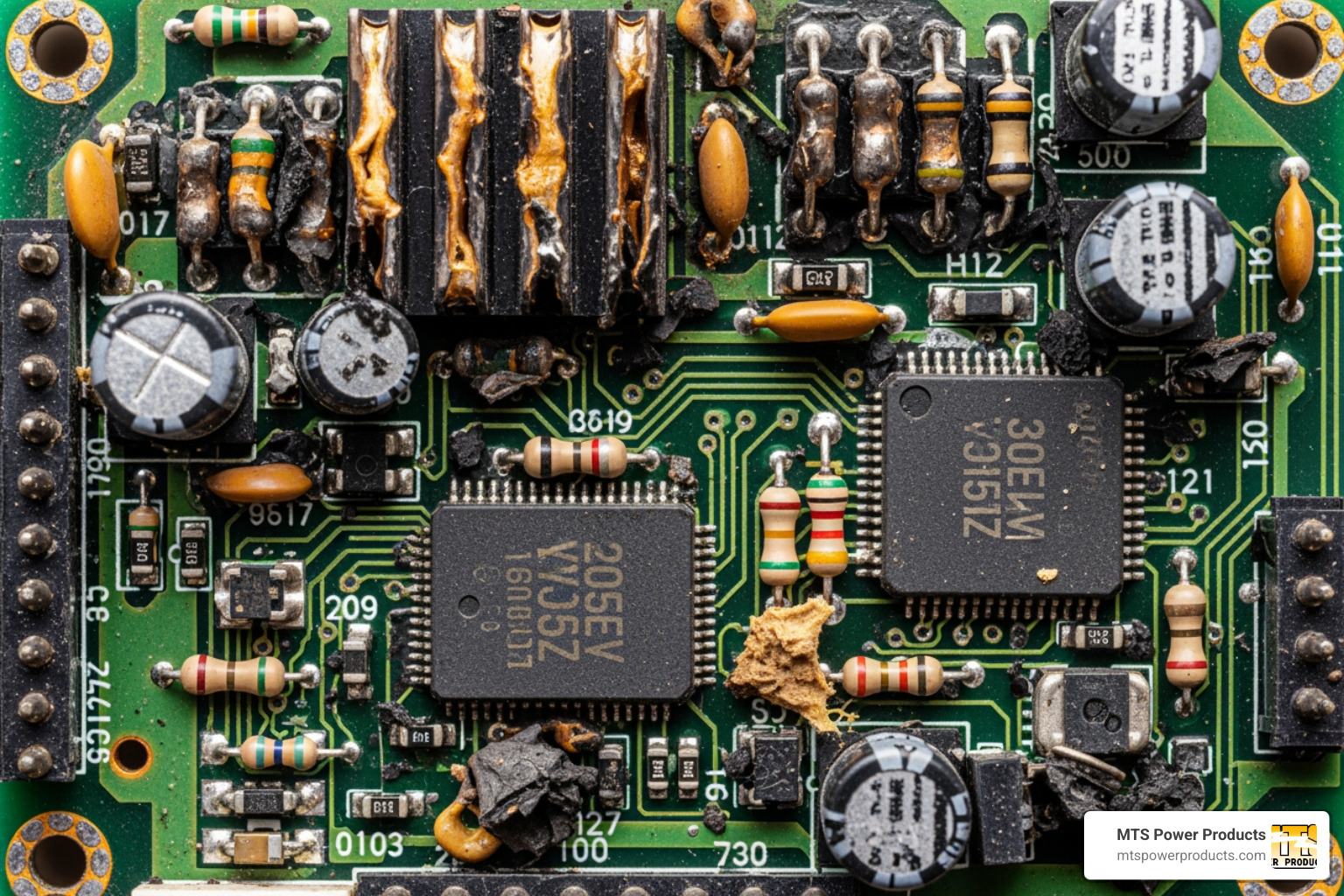
Sometimes, the problem is more obvious. Look and smell for physical damage to the AVR itself. A burning smell, melted plastic, or visibly burnt components are clear alarms that immediate replacement is needed, as they usually indicate overheating or an electrical short. If you’re curious to learn more about how these vital components work, see MTS Power Products’ overview on automatic voltage regulators for generators.
Sometimes, the signs of a struggling AVR are subtle. For example, if your connected devices are constantly performing system resets or shutting down without warning, unstable voltage from the generator is a likely culprit.
You might also notice an inconsistent engine speed, where your generator seems to struggle to maintain a steady pace, especially under load. While not always an AVR issue, it can be related to the AVR’s difficulty in managing the electrical load. Modern generators often display error codes pointing to voltage regulation or power output, making the AVR a prime suspect.
A quick visual check can reveal visible signs of wear, such as discoloration, tiny cracks, or corrosion on the AVR’s casing or terminals. If you spot any charring, scorch marks, or burnt components or melted plastic on the circuit board or housing, it’s a clear signal of serious overheating and component failure. Lastly, a faulty AVR can sometimes cause your generator to emit unusual sounds, like a low hum or buzz from the alternator area, as it struggles to regulate power.
If you suspect your AVR is failing, safety is the first priority before performing any checks. Always make sure your generator is completely turned off, has cooled down, and is disconnected from any power sources or electrical loads. This step is non-negotiable.
Once it’s safe, start with a visual inspection. Open the access panel to your AVR and look for burnt marks, melted plastic, loose wiring, or corrosion. To be extra safe, disconnect your generator’s battery and remove the spark plug wire on gas models to prevent accidental starts. Check all wiring connections to the AVR to ensure they are snug and free from fraying or burning, as a poor connection can mimic an AVR failure.
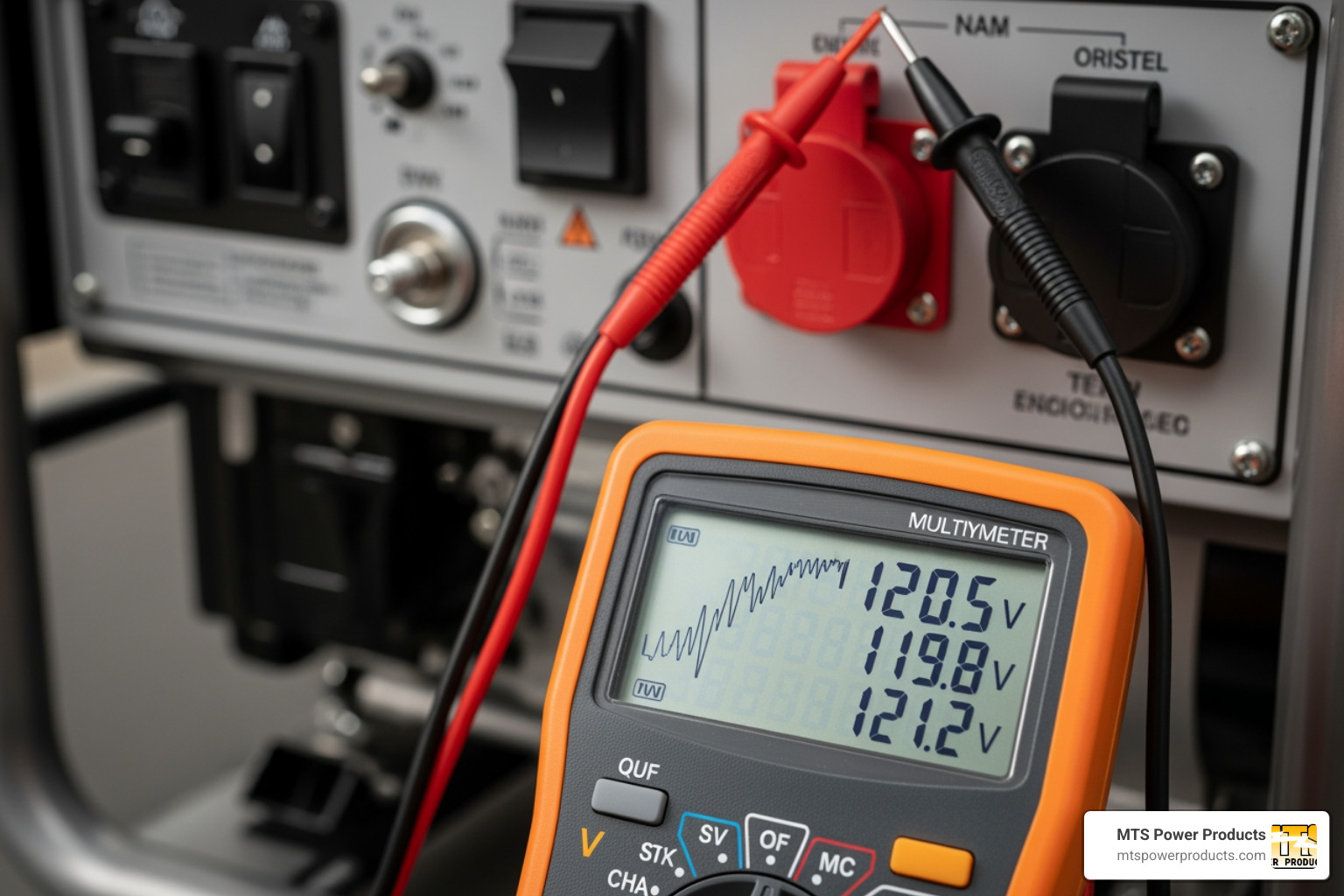
If the visual inspection is clear but problems persist, it’s time to test the output voltage with a multimeter. Reconnect the battery/spark plug wire and start the generator. Set your multimeter to AC voltage and carefully probe the generator’s output terminals or a working outlet. A healthy generator should provide a steady voltage (typically 120V or 240V) within a narrow range. Wild fluctuations, low readings, or no voltage at all strongly suggest a faulty AVR. For a more comprehensive diagnosis, resources like The Beagley Alternator Test explained can guide you through testing the alternator to rule out other issues. Finally, always compare your multimeter readings to the manufacturer’s specifications in your generator’s manual to confirm if a generator AVR replacement is the correct next step.
Once you’ve confirmed a generator AVR replacement is necessary, the good news is that it’s a manageable DIY repair for most generator owners. With basic tools and attention to detail, you can complete the job in about 30 to 60 minutes.
The financial incentive is clear: an AVR replacement costs $50-$200, far less than a new generator or professional labor charges. Considering the potential damage to appliances from voltage fluctuations, a DIY replacement is a sensible investment.
Before starting, gather a screwdriver set, a socket wrench, a multimeter, and wire cutters. Always prioritize safety: turn the generator off, let it cool, disconnect the battery, and remove the spark plug wire on gas models.
Installing the wrong AVR can cause more damage, so it’s crucial to get this right. The replacement AVR must match your generator’s specifications.
We always recommend using genuine or high-quality replacement parts. At MTS Power Products, we’ve seen cheap AVRs fail quickly or cause further damage. Our McPherson Controls line uses quality components because reliability is paramount for backup power. A small upfront investment can prevent repeated failures.
Now you’re ready for the replacement. Take your time with each step.
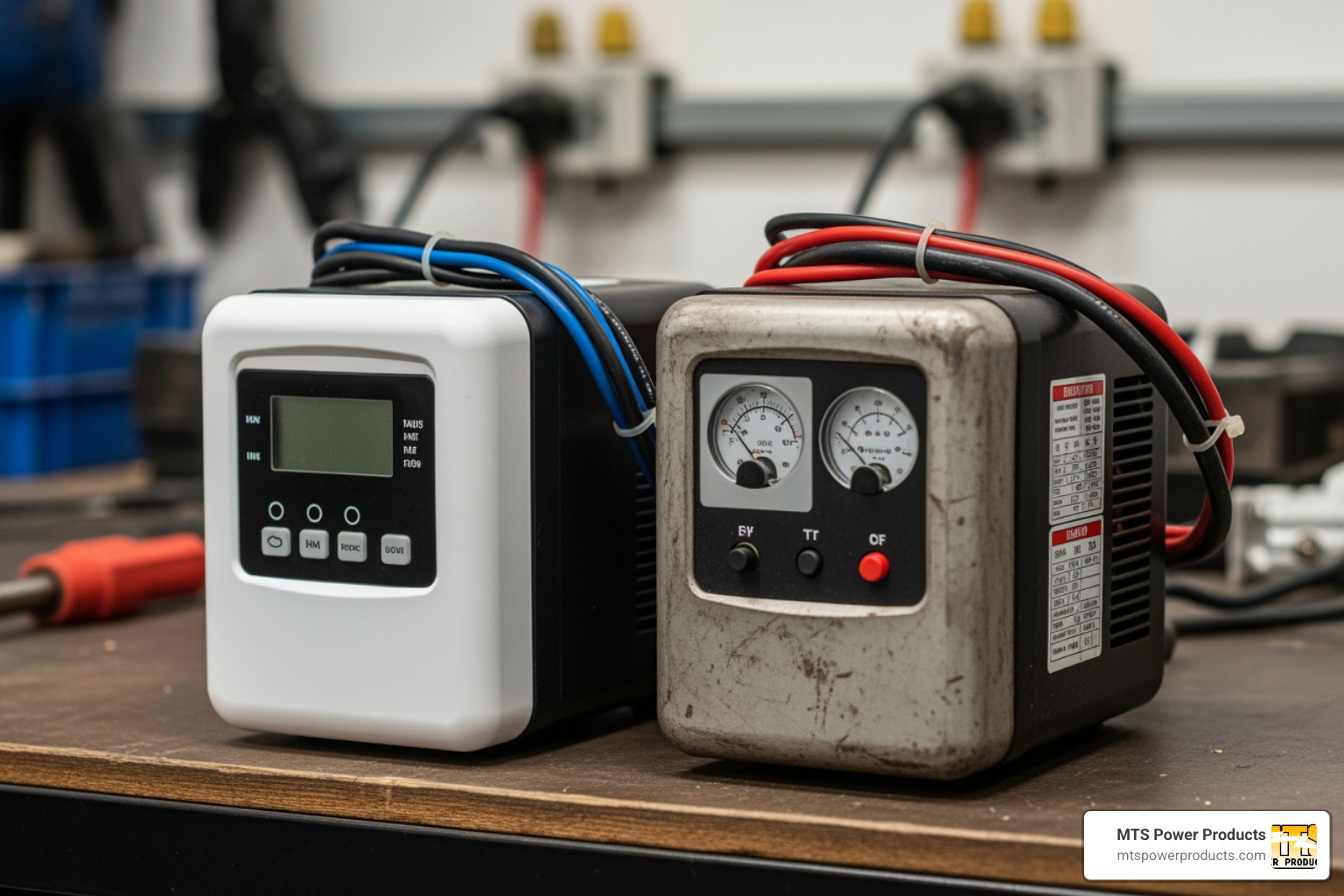
If the voltage is stable but slightly off, you may need to adjust it. Many AVRs have a small adjustment screw (potentiometer) for fine-tuning. Resources like How to adjust voltage offer guidance. Make small adjustments and re-test. Once the no-load voltage is correct, connect a small load (like a work light) to verify it remains steady. If so, you’ve successfully completed your generator AVR replacement!
Ignoring the signs of a faulty AVR can lead to significant problems, costing you far more than a simple generator AVR replacement. This isn’t just an inconvenience; it’s about protecting your equipment and ensuring you have reliable power when you need it most.
Unstable voltage, whether too high or too low, can seriously harm or destroy sensitive electronics and devices. High voltage acts like a surge, frying circuits, while low voltage can cause motors in appliances like refrigerators to overheat and fail prematurely.
Additionally, a malfunctioning AVR reduces generator efficiency. It forces the generator to work harder to maintain voltage, increasing fuel consumption and causing premature wear on the engine and other components.
Perhaps most concerning is the potential damage to the generator’s alternator. The AVR and alternator work together. If the AVR fails to regulate the excitation current correctly, the alternator windings can overheat, leading to costly repairs or even a complete alternator replacement.
A faulty AVR compromises the reliability of your backup power. During a storm or outage, you could be left in the dark because a small, inexpensive component wasn’t addressed. Delaying a generator AVR replacement is a classic case of being “penny wise and pound foolish,” as a $50-$200 fix can prevent thousands of dollars in damage.
Research by the U.S. Department of Energy shows that regular maintenance of backup power systems, including checking components like AVRs, can reduce the likelihood of failure by up to 70%. Neglecting a critical part like the AVR shortens your generator’s overall lifespan and increases your total cost of ownership.
Proactive monitoring and managing environmental factors are key to maintaining your Automatic Voltage Regulator (AVR) and ensuring your generator’s longevity, as the AVR itself is a sealed unit that cannot be serviced.
The generator’s operating environment significantly impacts AVR lifespan:
There is no fixed replacement schedule for an AVR; its lifespan depends on usage, environment, and maintenance. A typical AVR lasts for 10,000 to 20,000 operating hours, which aligns with the average lifespan of a diesel generator. Proactive replacement around this milestone or when failure signs appear is a wise strategy.
The cost of a generator AVR replacement ($50 to $200) is a small investment compared to a new generator or the costs associated with unexpected power loss.
To ensure your generator system operates reliably, follow these best practices:
When considering a generator AVR replacement, you can choose between a DIY approach or hiring a professional:
| Feature | DIY AVR Replacement | Professional AVR Replacement |
|---|---|---|
| Cost | Lower (part cost only) | Higher (part cost + labor) |
| Time | Varies based on expertise (30-60 mins for experienced) | Faster (experienced technicians) |
| Expertise | Requires basic electrical knowledge & generator familiarity | High (certified technicians) |
| Warranty | Typically none on labor, only on part | Often includes labor warranty, part warranty from supplier |
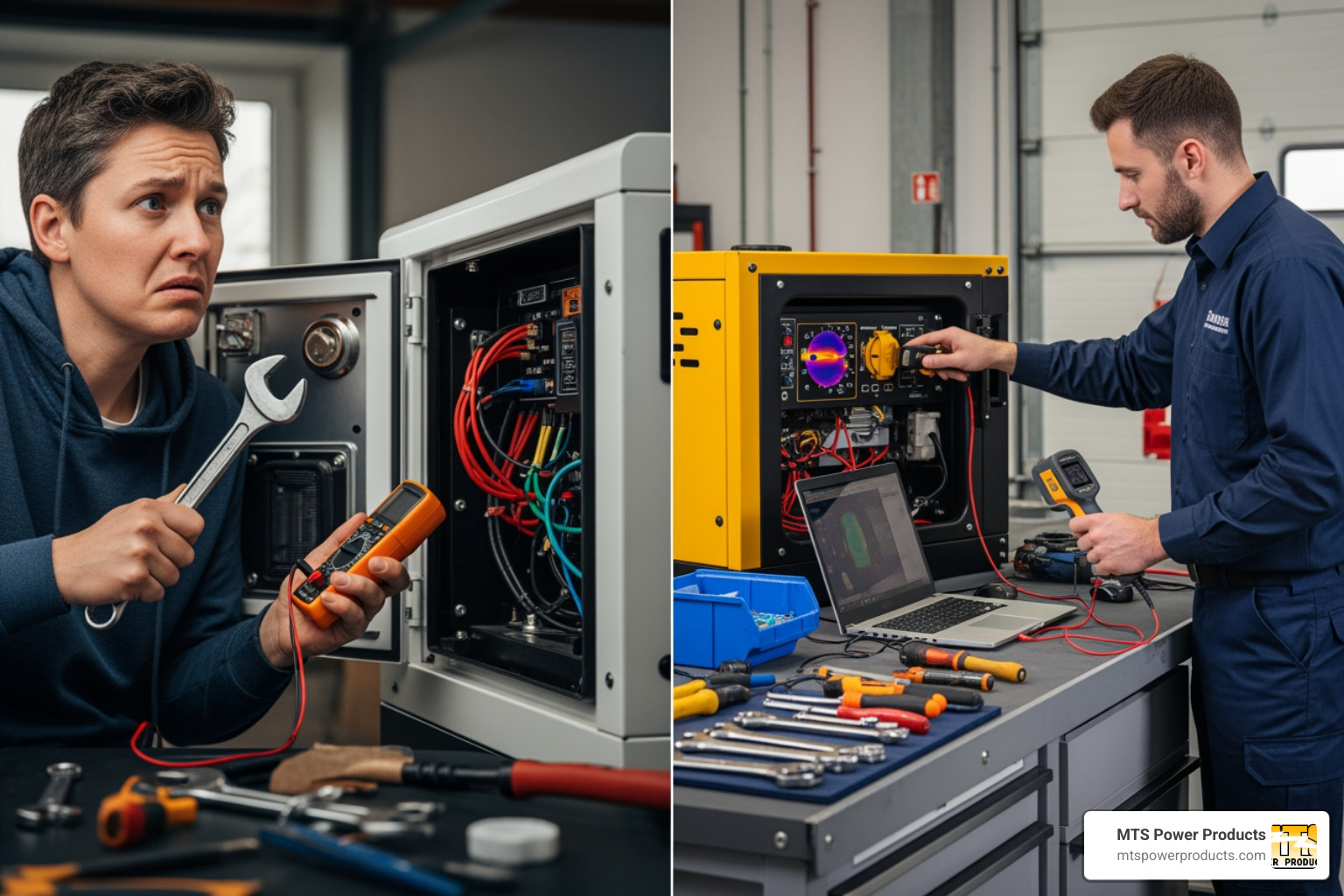
For simple replacements, a DIY approach is cost-effective if you’re comfortable with basic electrical work. For complex generators or if you’re unsure, professional assistance from experts in Miami, FL, ensures the job is done correctly and safely.
When it comes to generator AVR replacement, we often hear the same questions. Here are answers to the most common concerns to help you make informed decisions.
An AVR, or Automatic Voltage Regulator, is the component that keeps your generator’s power output consistent and safe. It takes the raw, unstable voltage from the alternator and transforms it into clean, reliable electricity. This protects your generator and any connected appliances from damaging voltage spikes and drops, which can fry sensitive electronics or cause motors to overheat.
There is no fixed schedule for generator AVR replacement because lifespan depends on usage, environmental conditions (like the humidity in South Florida), and overall maintenance. A typical AVR provides 10,000 to 20,000 operating hours of service. The best approach is to watch for warning signs like flickering lights or voltage fluctuations. Many of our customers at MTS Power Products also choose to replace the AVR proactively during a major generator overhaul to prevent unexpected failures.
No, you cannot use just any AVR. Using an incompatible part can lead to a damaged alternator and a much larger repair bill. Your replacement AVR must match your generator’s exact specifications, including wattage, phase type (single-phase vs. three-phase), and connector type/wiring configuration. Always refer to your generator’s manual or inspect the existing AVR to ensure you get the right match. At MTS Power Products, we help customers identify the correct AVR for their specific model, whether it’s one of our McPherson Controls units or another brand, to prevent costly mistakes.
Your generator’s Automatic Voltage Regulator may be small, but its impact on your power system is enormous. Understanding when a generator AVR replacement is necessary—and acting on that knowledge—is what separates reliable backup power from costly equipment failures.
We’ve covered the signs of AVR failure, the straightforward replacement process, and why delaying this repair can turn a $50-$200 fix into a multi-thousand-dollar disaster. Proactive maintenance and timely generator AVR replacement protect your investment and ensure you have dependable power when you need it most. Whether you’re preparing for hurricane season in South Florida or managing critical backup systems, a functioning AVR is non-negotiable.
Regular inspections and replacing the AVR every 10,000 to 20,000 operating hours will extend your generator’s lifespan dramatically.
At MTS Power Products, we understand the critical role every component plays. We’re more than a parts supplier; we’re your partner in maintaining reliable power. Our McPherson Controls line offers professional-quality voltage regulators designed for longevity, and our location near Miami International Airport and the Port of Miami allows us to deliver parts quickly, worldwide.
Don’t wait for a power outage to reveal a problem. Take action now to ensure your generator is ready. Find the right generator voltage regulator for your needs or reach out to our team for expert assistance with your specific generator model.
Your peace of mind is worth far more than the cost of a replacement AVR.